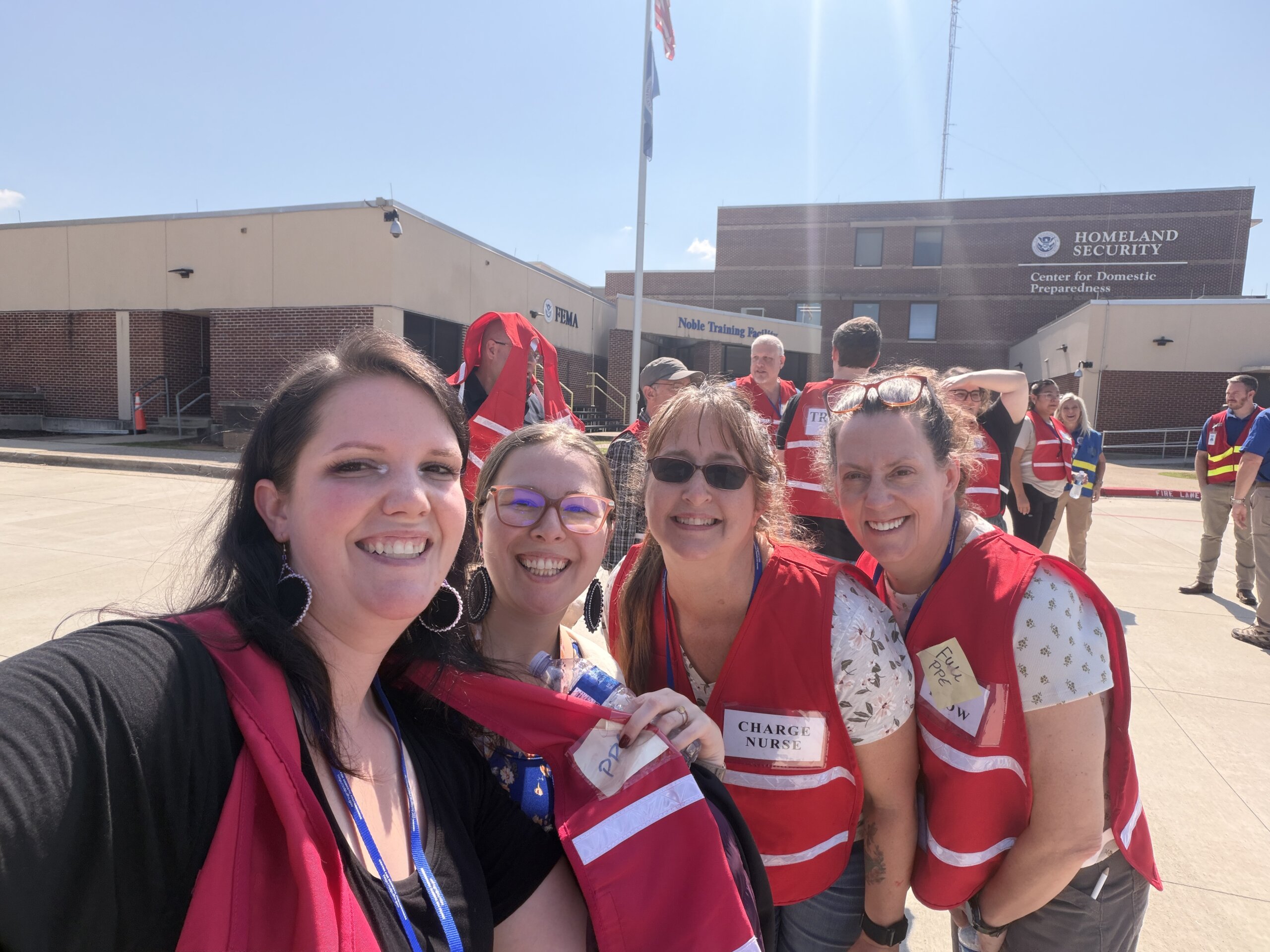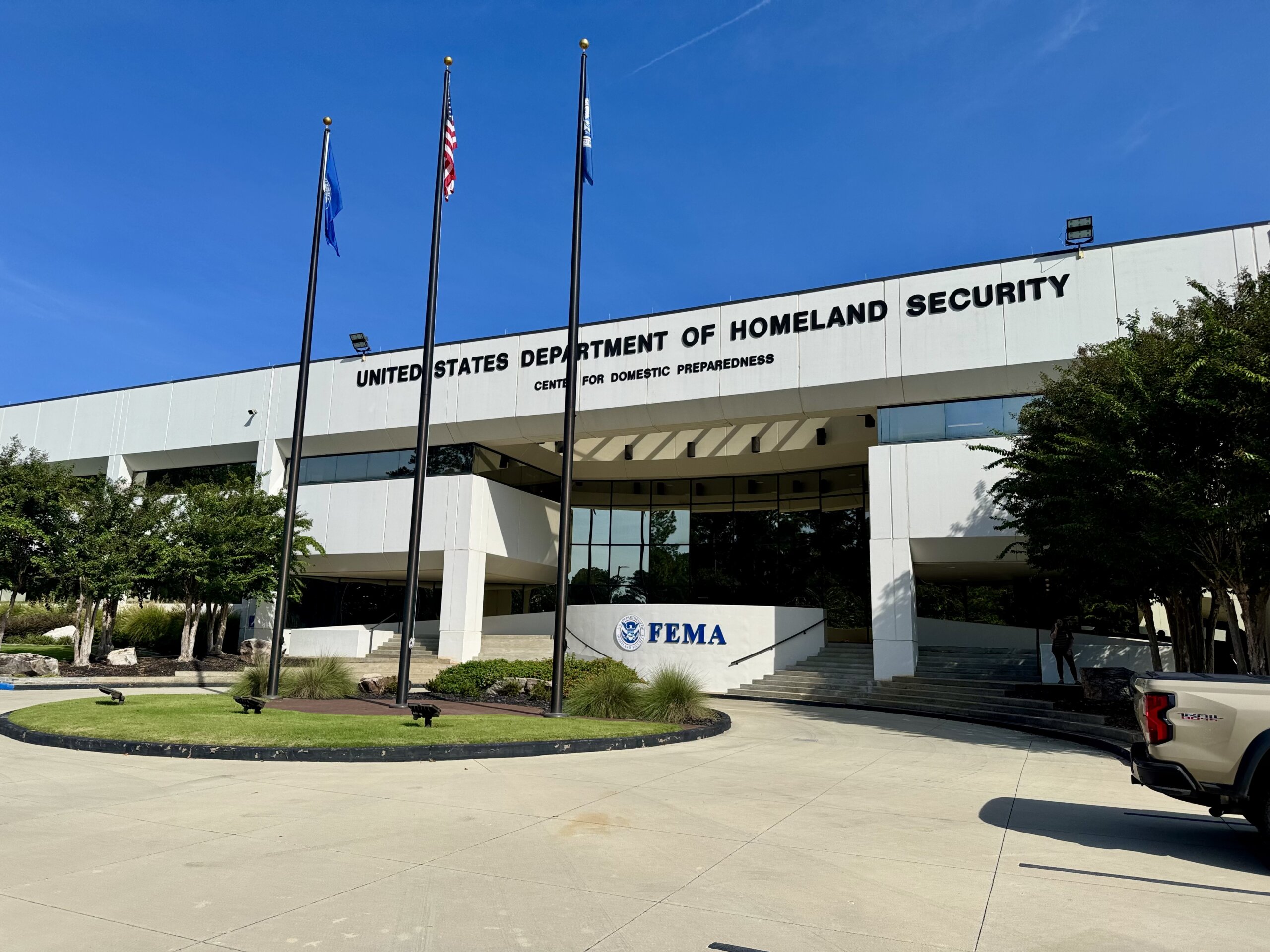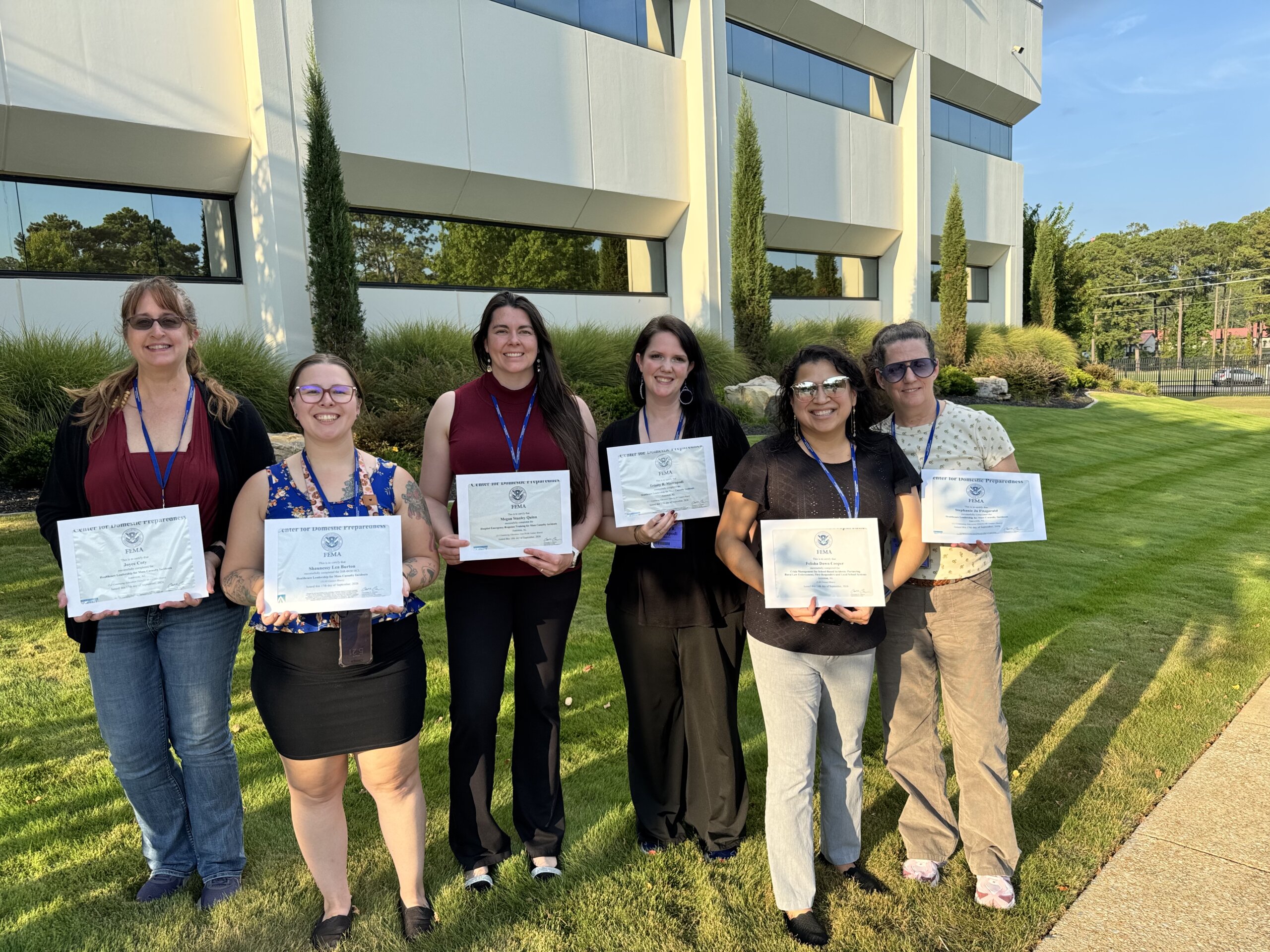
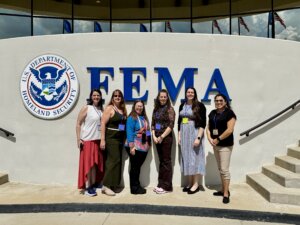
 In September, Tanana Chiefs Conference (TCC) sent an interdisciplinary team to the 11th Annual Tribal Nations Week at the Center for Domestic Preparedness in Anniston, Alabama. This weeklong training offers multiple learning tracks that strengthen emergency preparedness capabilities, while connecting staff with colleagues from other Indian Health Service facilities and Tribal Nations across the country.
Courses included Cyber Security, Public Safety, Continuity Planning, Critical Infrastructure, and more. Shaunessy Burton, Joyce Coty, Stephanie Fitzgerald, Trinity Marrapodi were able to participate in the Healthcare Leadership for Mass Casualty Incidents, Megan Quinn participated in the Hospital Emergency Response Training for Mass Casualty Incidents, and Felisha Cooper attended the Emergency Management and Engagement Training.
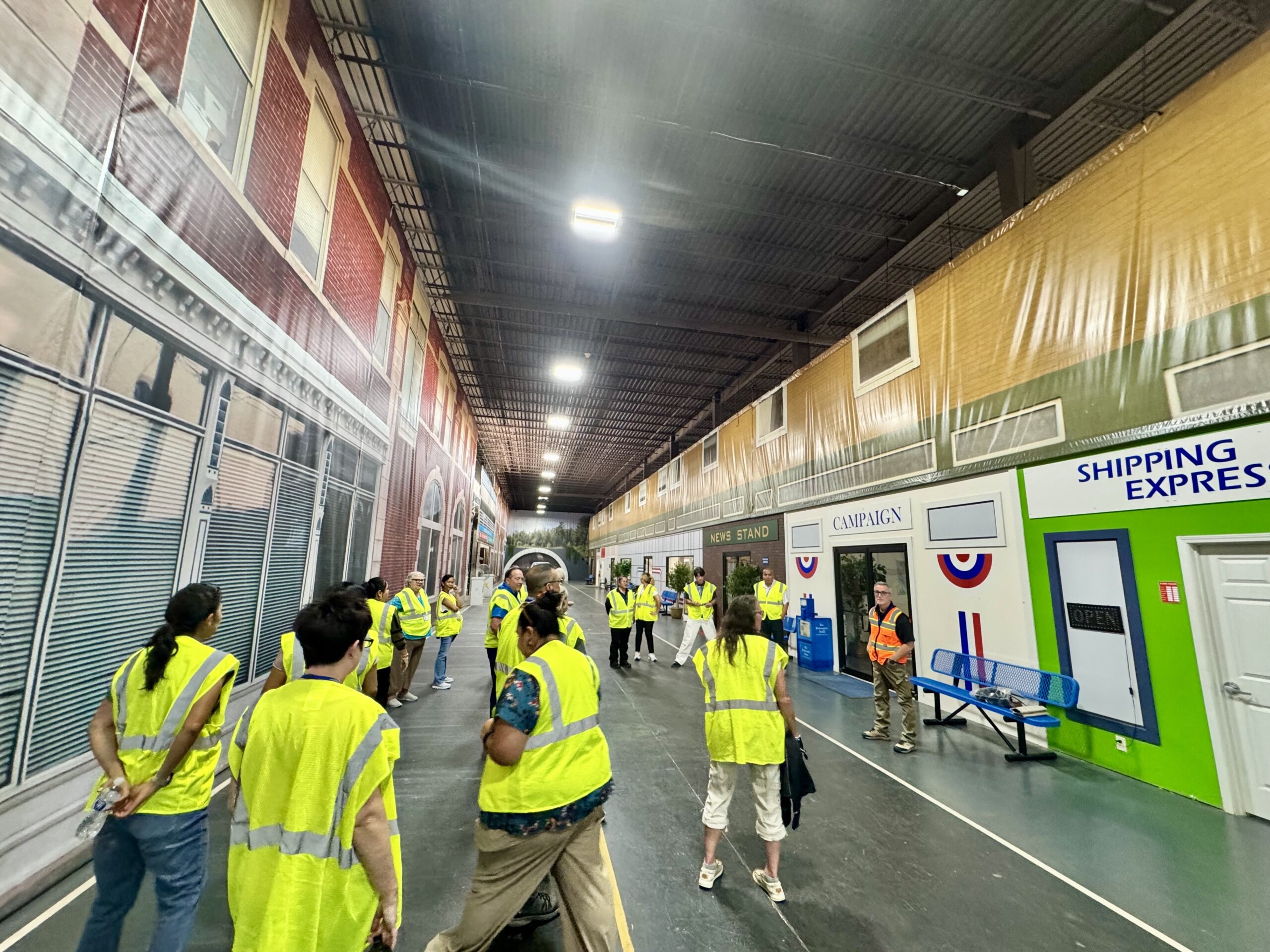
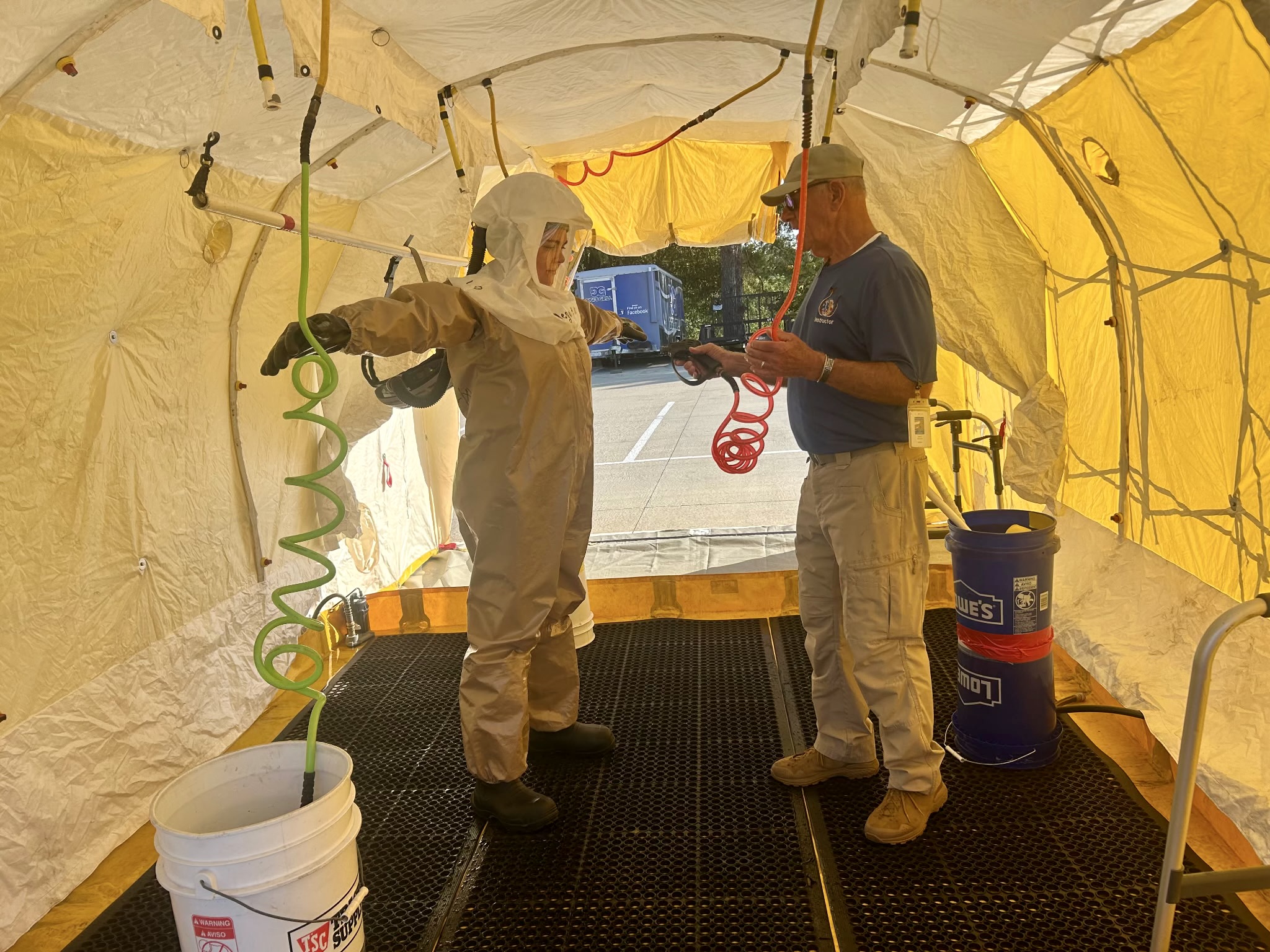
To say this week was physically and mentally exhausting would be an understatement. The goal of many of these courses was to help staff understand the roles they may need to take on during an emergency and the stress that comes with the responsibilities. Staff participated in a variety of intense, hands-on exercises. Some practiced running and hiding during active shooter drills, while others donned hazmat suits in the 90-degree humid weather to practice patient decontamination. Meanwhile, other participants faced multiple simulated emergencies in a hospital setting. These exercises weren’t designed around just one emergency at a time. Instead, instructors challenged participants with complex, overlapping scenarios, including a disease outbreak, a nuclear plant leak, chemical plant explosions, bus rollovers, and more. Each scenario pushed participants to think critically, adapt critically, and make difficult decisions under pressure, providing valuable insight into the challenges of responding to real-life emergencies.
As challenging as this week was, the experience was very valuable. If the COVID-19 pandemic taught us anything, it is that we need to prepare staff for a variety of emergencies, including not just how to prepare for them but also how to recover from them and build resiliency. TCC has sent staff to this training for years, and every individual or group has consistently returned with great feedback and new ideas, and most cannot wait to go back and learn more. Not only does this build staff confidence, but it also allows staff to get to know one another and understand how they can support each other during emergencies, or just a crazy day at work.
Megan Quinn shared, “One of the biggest things I took away from the training was the importance of having a strong Incident Command structure and everyone speaking the same language during an emergency. Using systems like the Hospital Incident Command System (HICS) gives everyone a common structure for understanding their role, communicating information, and knowing who is responsible for making decisions. When an emergency brings together people who may not normally work side by side, having that shared structure makes a huge difference.”
A key benefit of the week is learning from other organizations and Tribal Nations. Many face similar obstacles and challenges that our region faces but in slightly different ways. Not only are we all preparing for emergencies or disasters, but our planning and recovery efforts can be quite different from one another. By sharing experiences across reservations, healthcare facilities, Tribes, and other settings, we have an opportunity to learn from one another, which strengthens everyone’s preparedness.
As Stephanie Fitzgerald reflected, “We are so fortunate to have so many resources at our disposal and talented people within our organization. I think sometimes we can become so accustomed to what we have that we forget to appreciate the tools available to us—and, perhaps even more importantly, the people beside us who make our work possible. Very few of us have experienced what a truly difficult day in medicine can look like, and for that, we are blessed. I think this experience was a good reminder not to take that for granted, but instead to recognize the importance of supporting one another and working together when those difficult days do come.”
TCC’s goal is to continue sending staff from a wide range of positions across the organization. Tribal Nations Week and similar trainings ensure we have trained staff that are capable, confident, and prepared to handle an emergency, whether in Fairbanks or one of our rural clinics or villages. Trained staff can better support their department, facility, and community when disaster strikes.