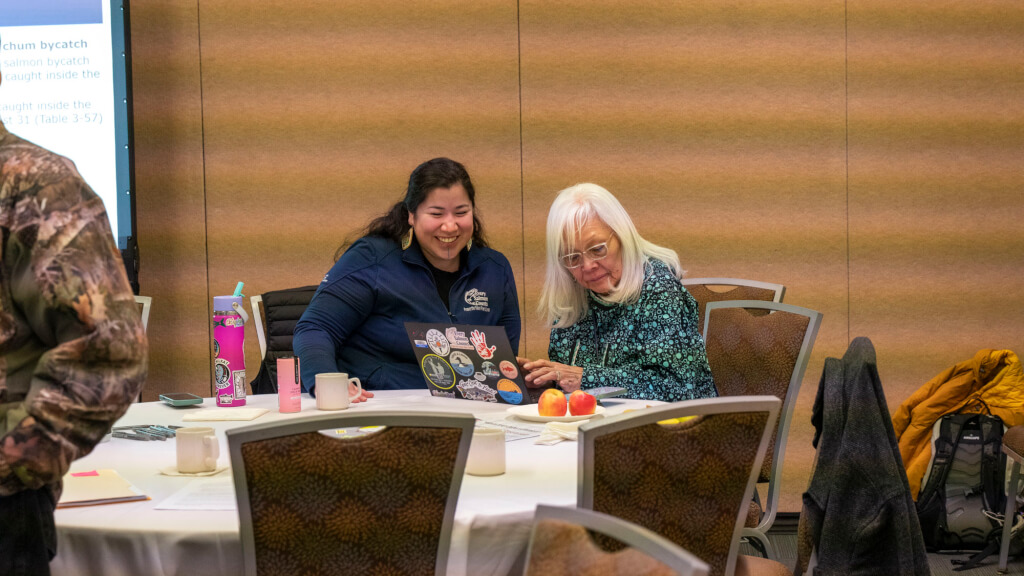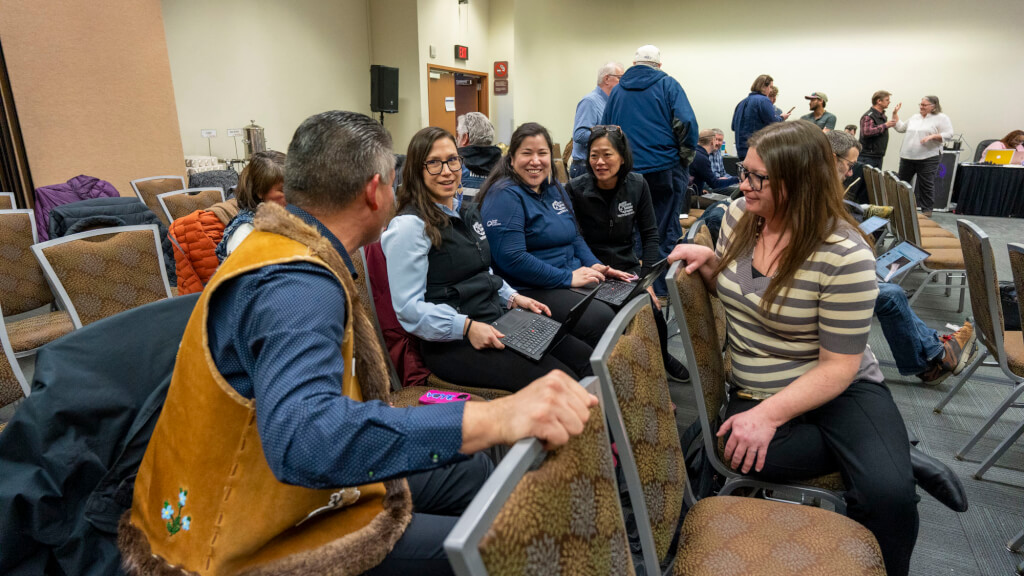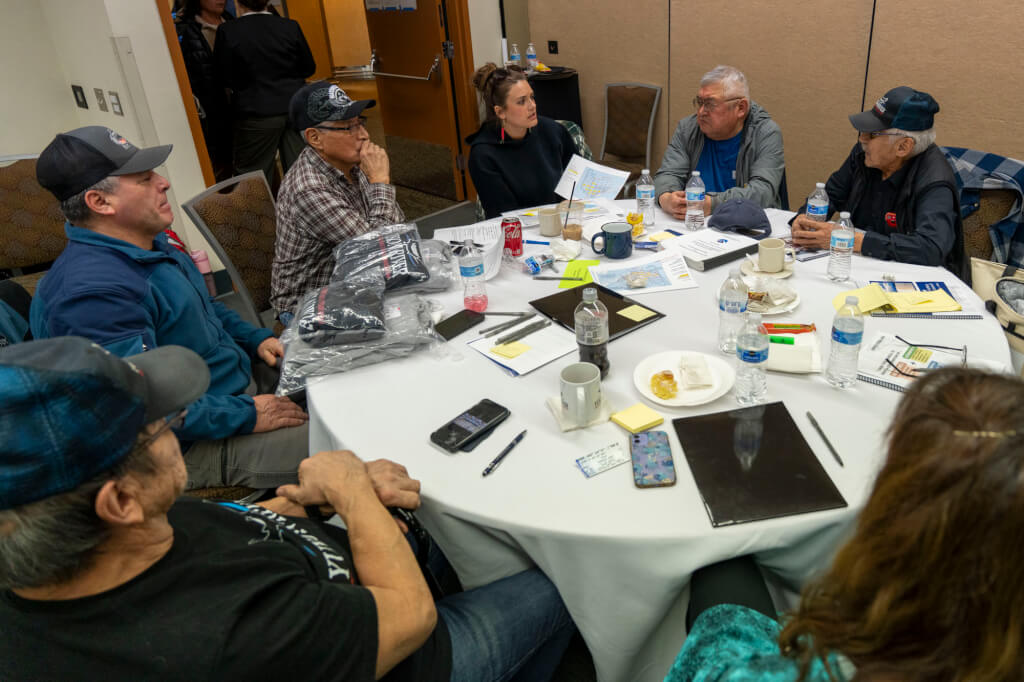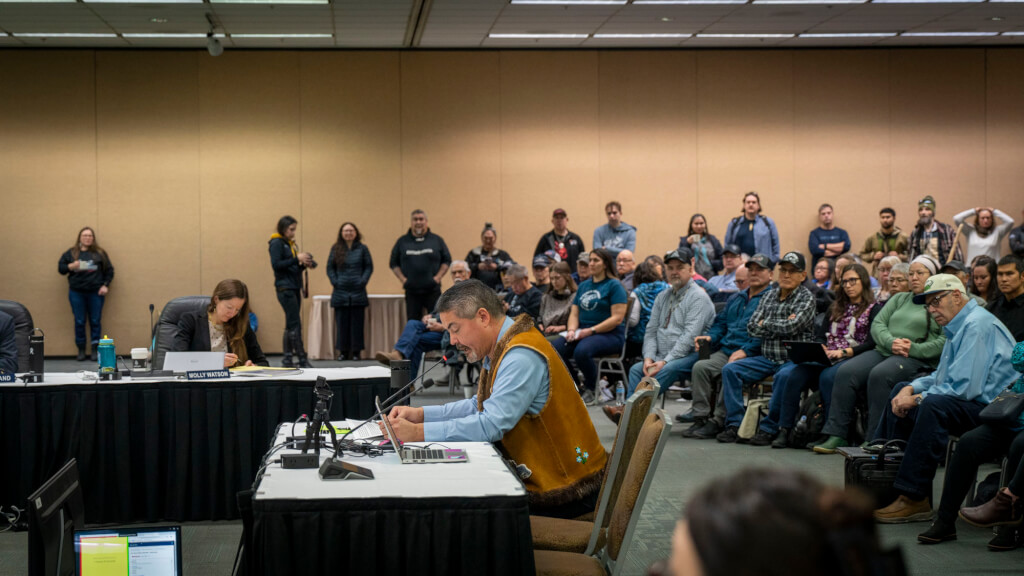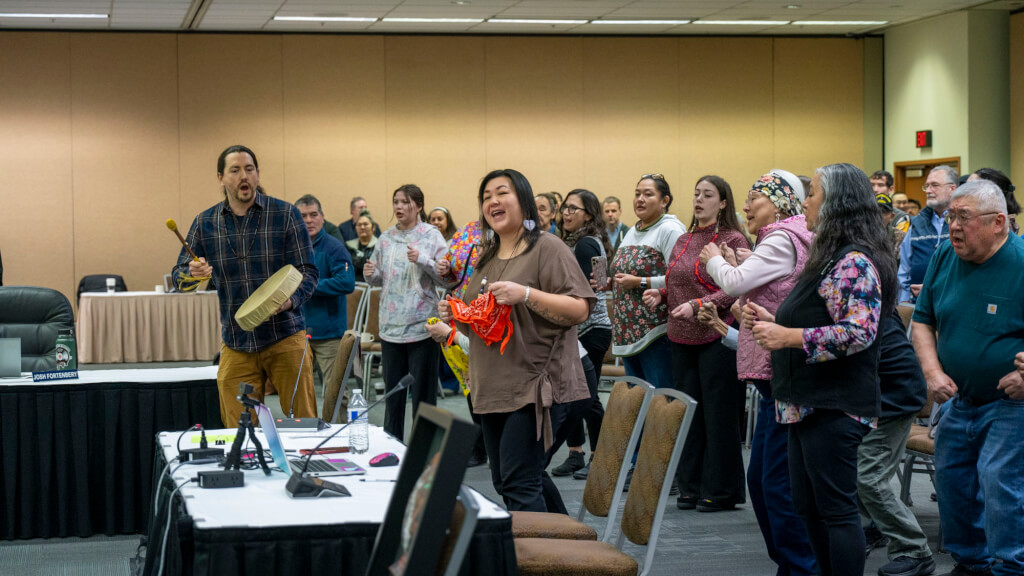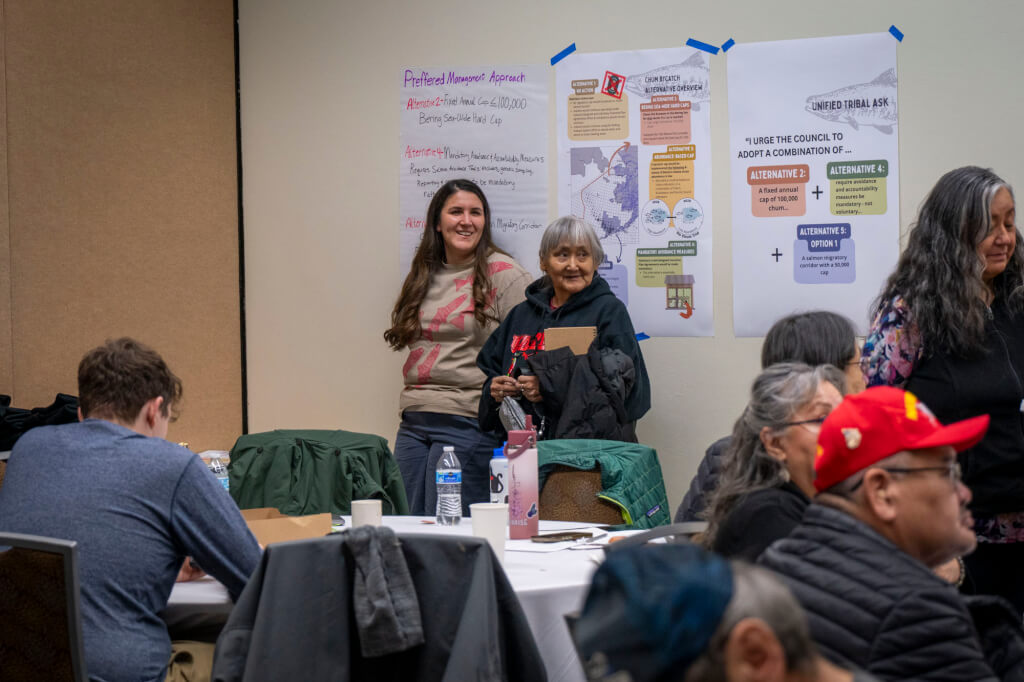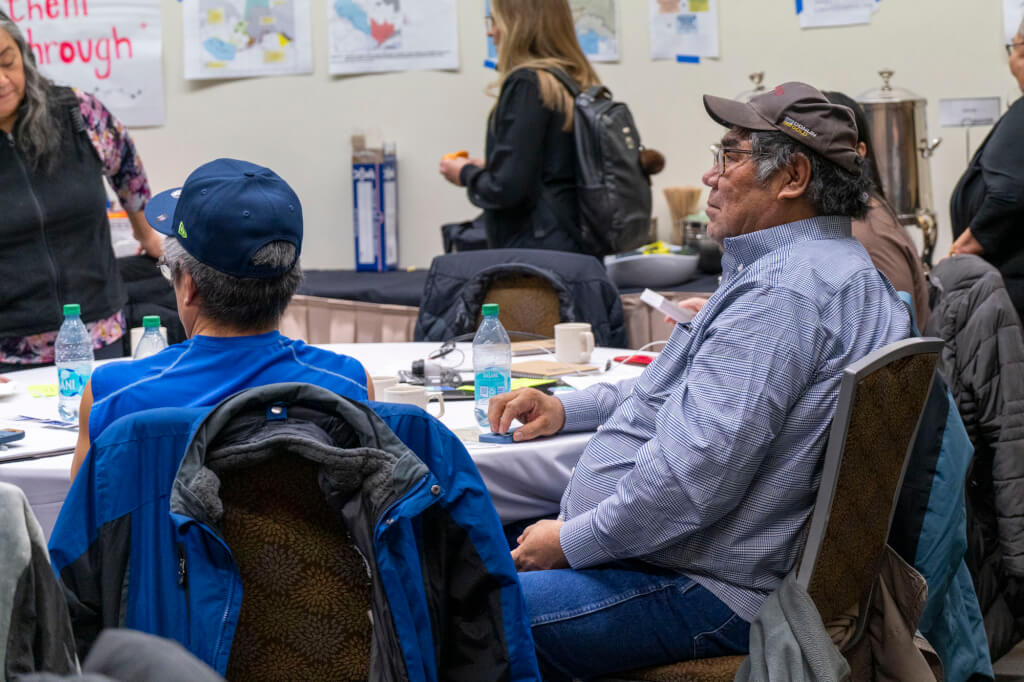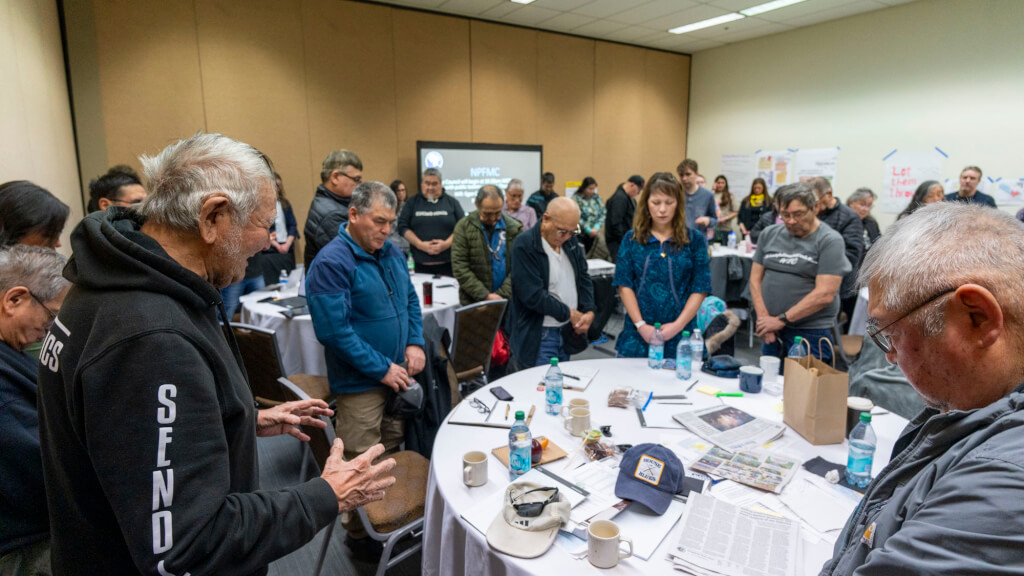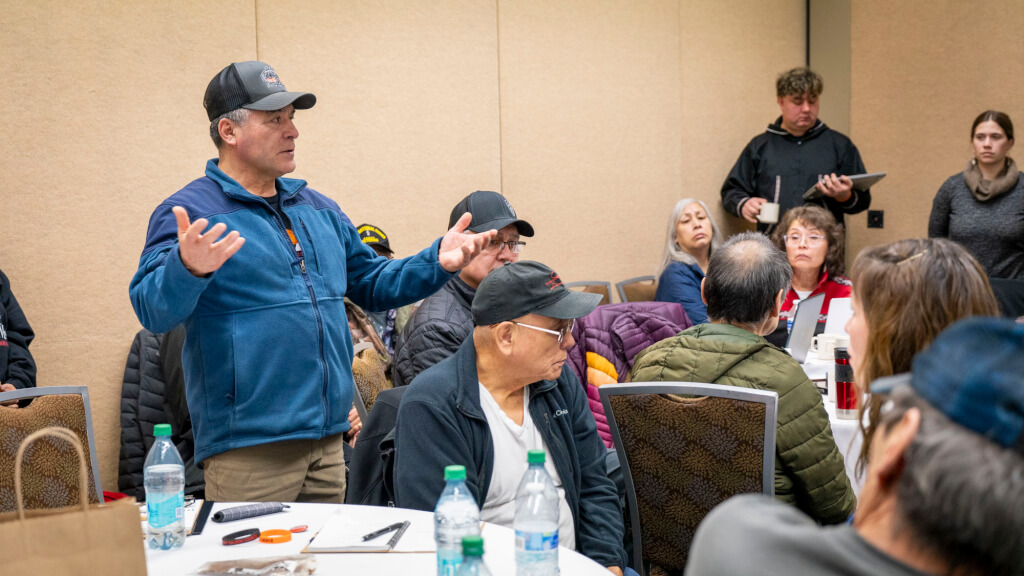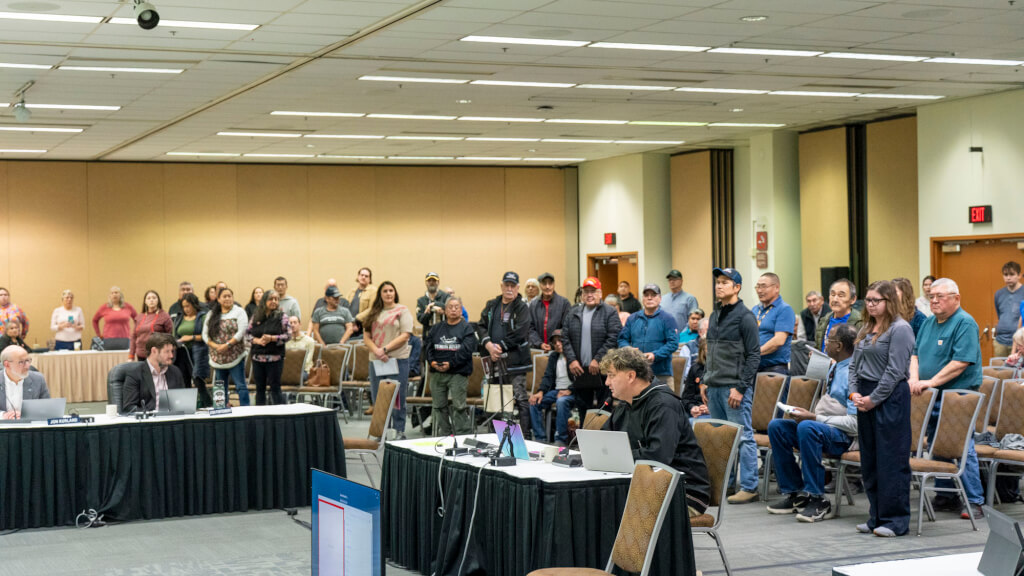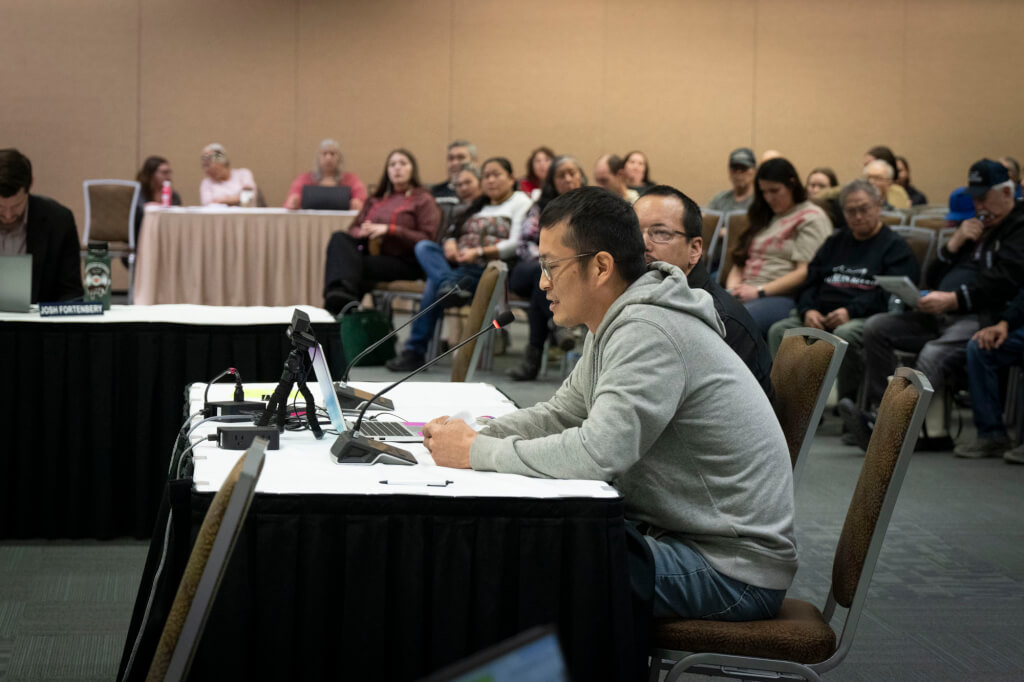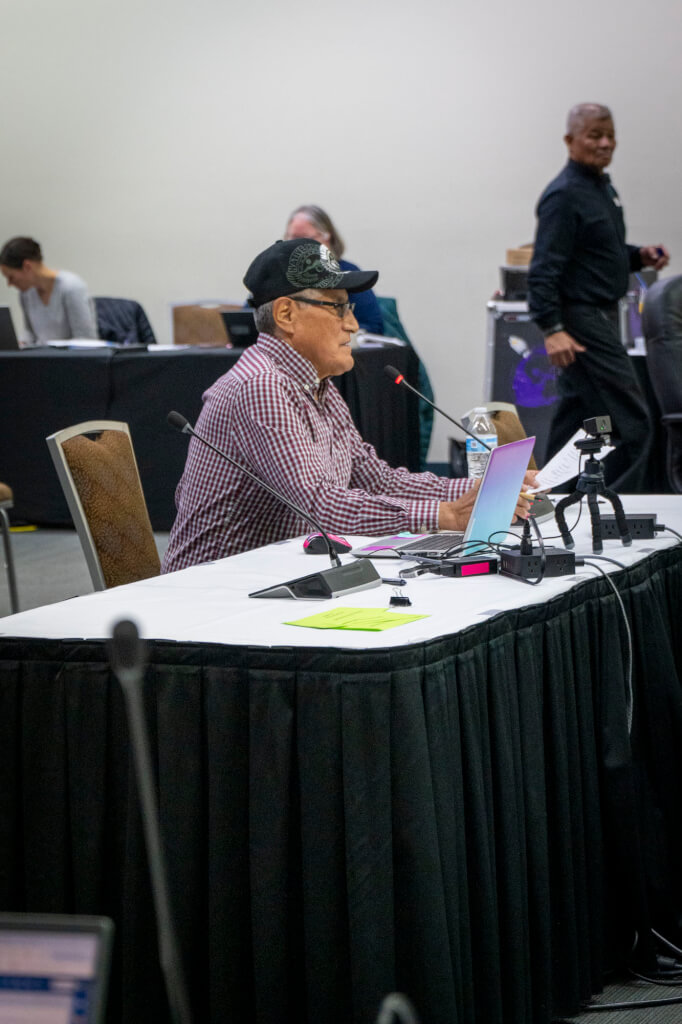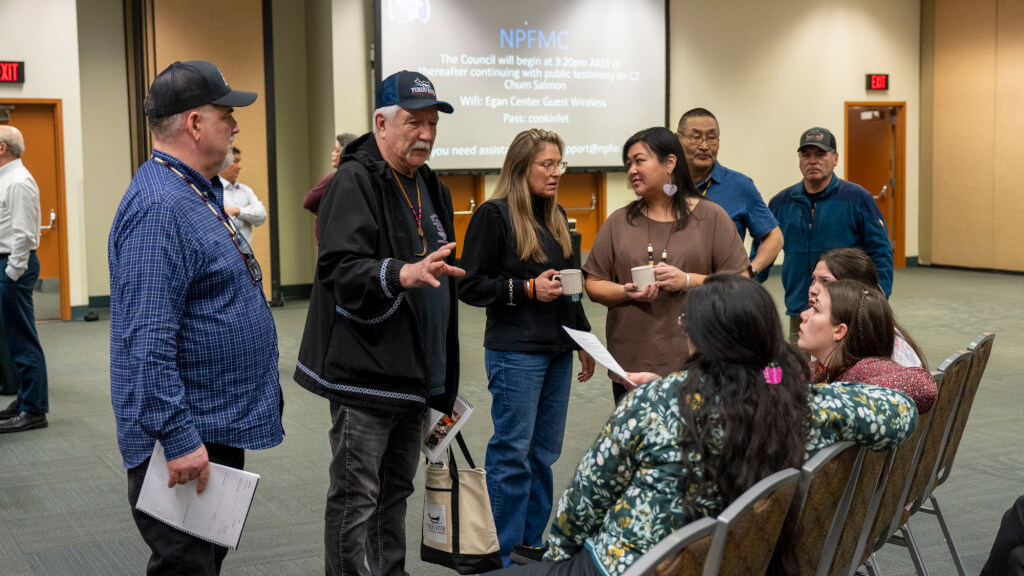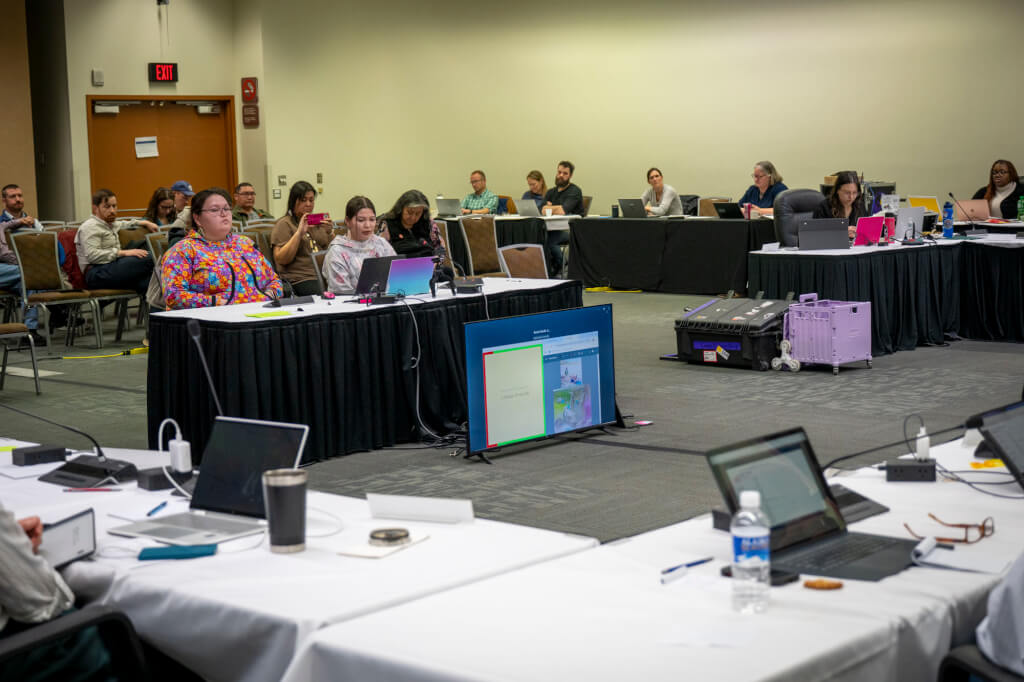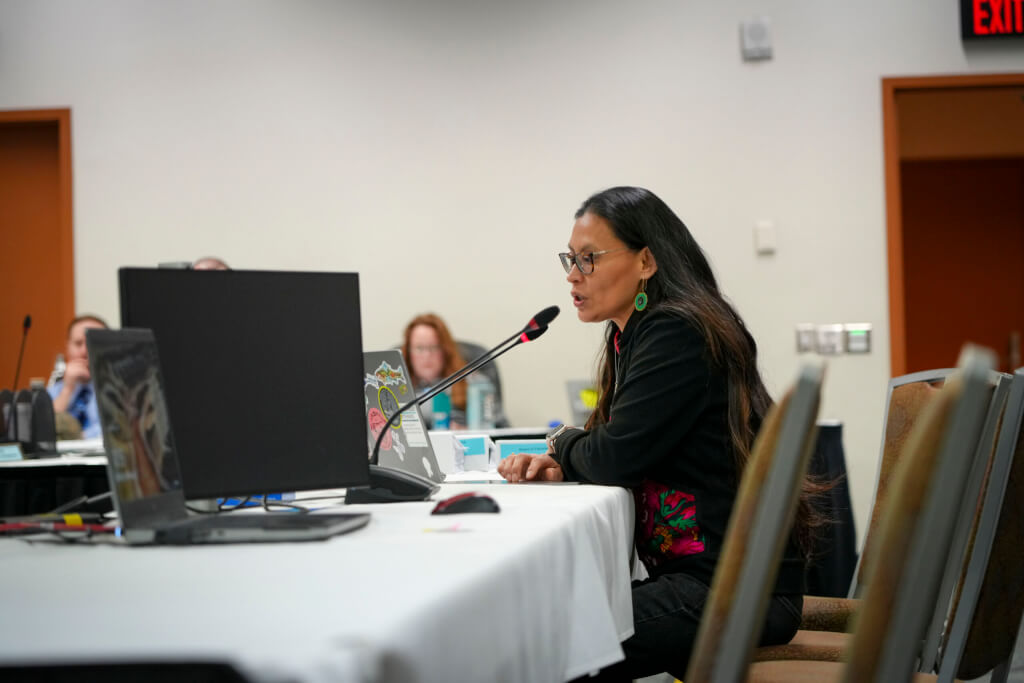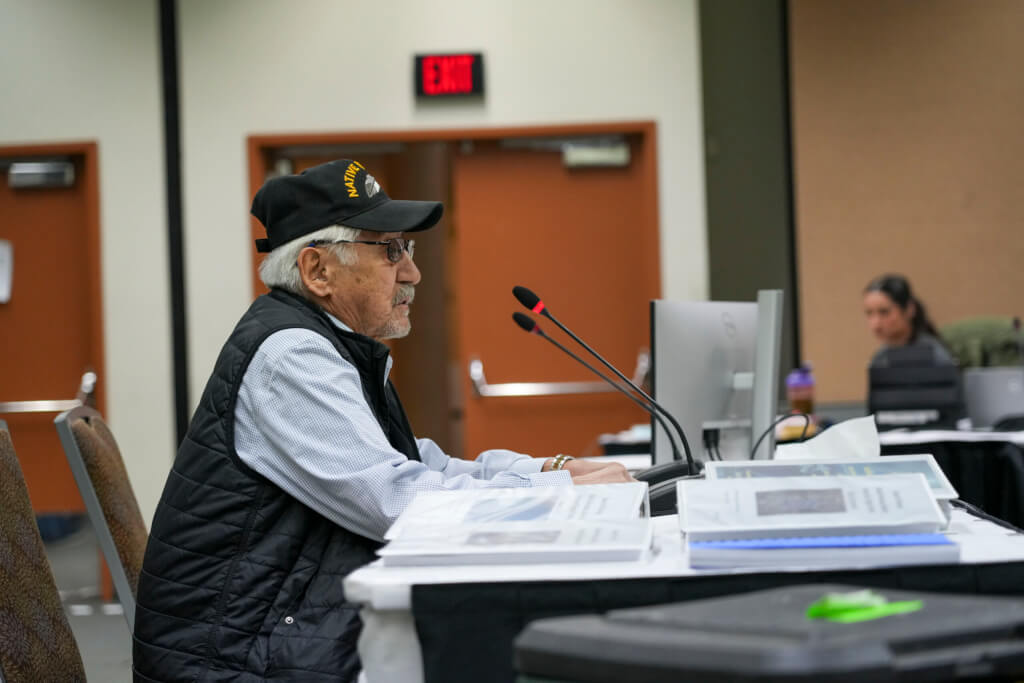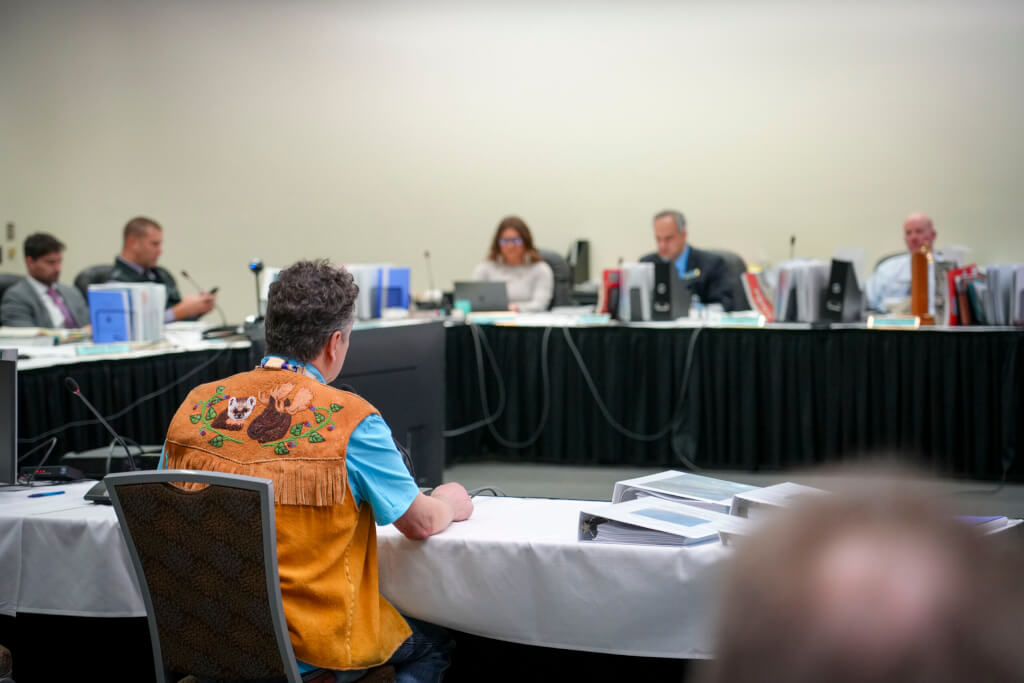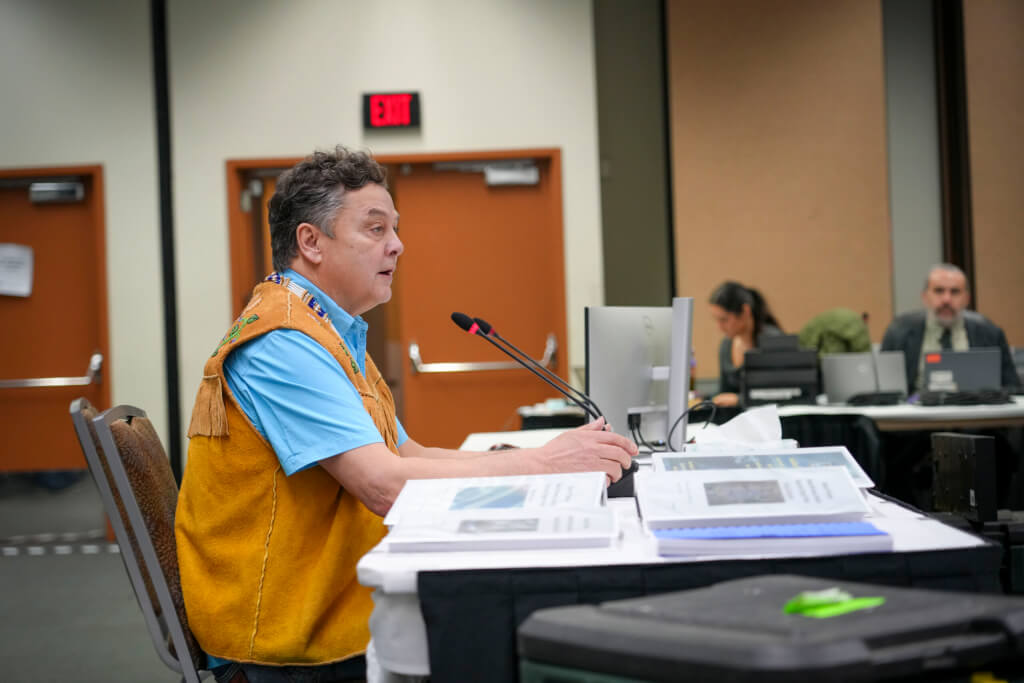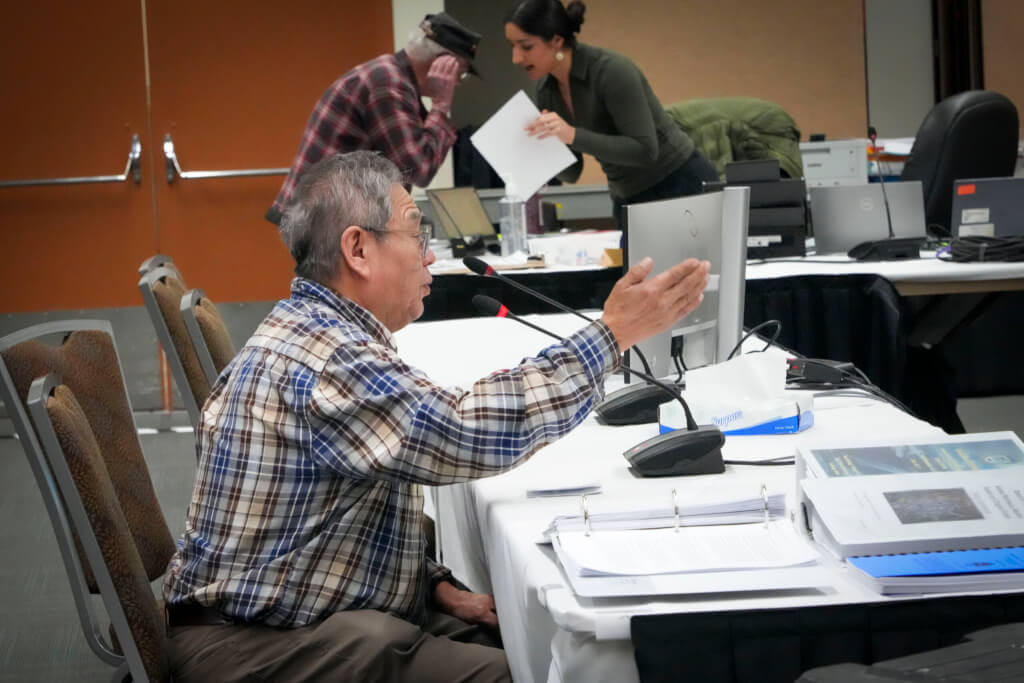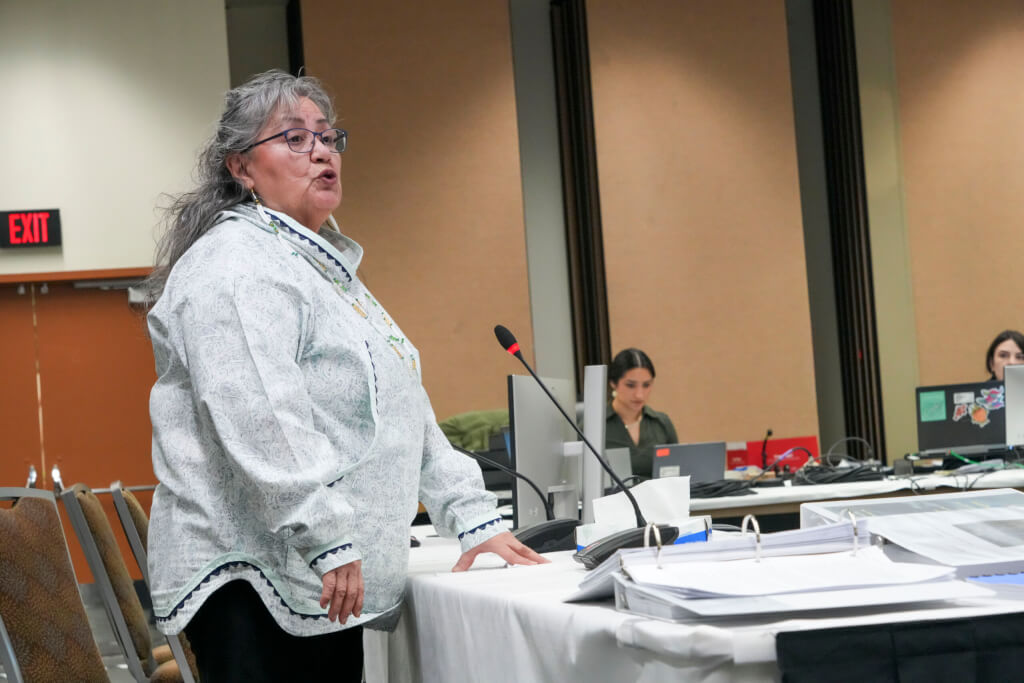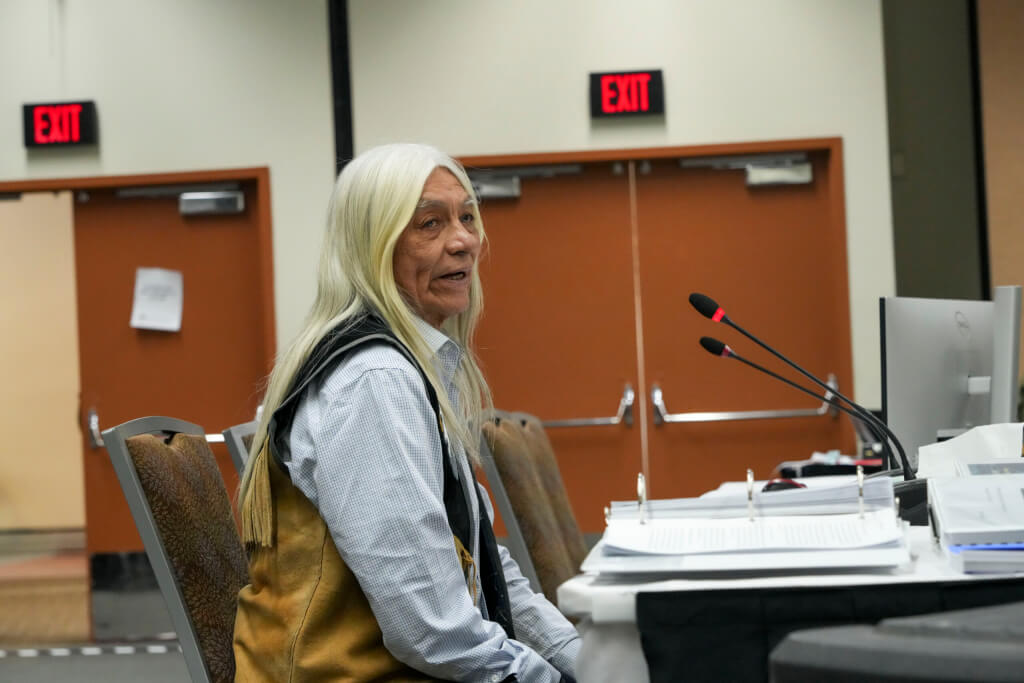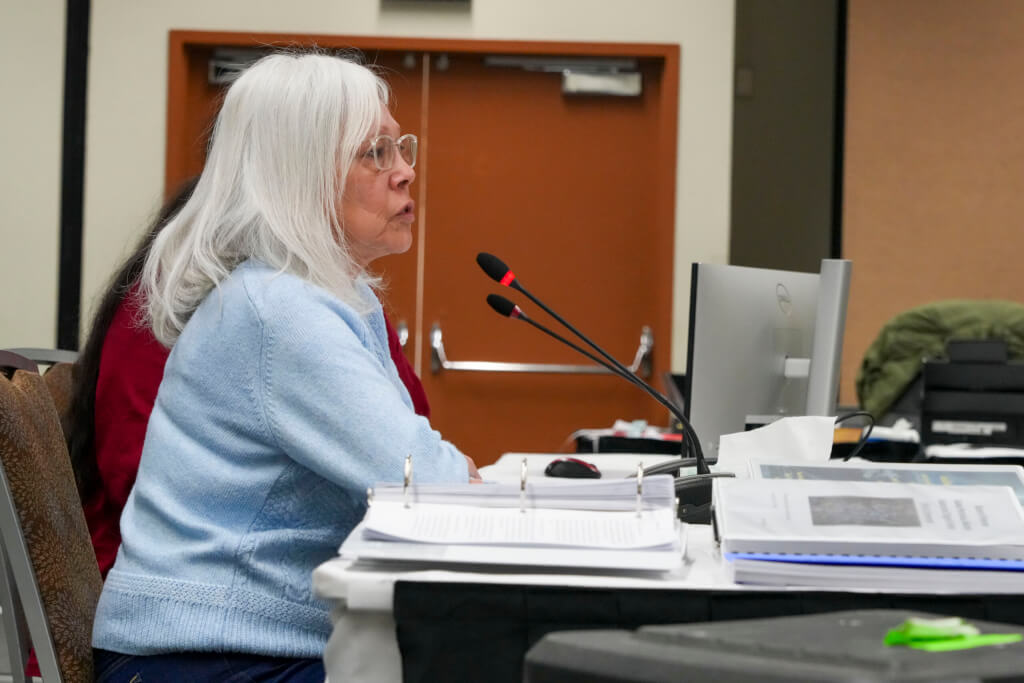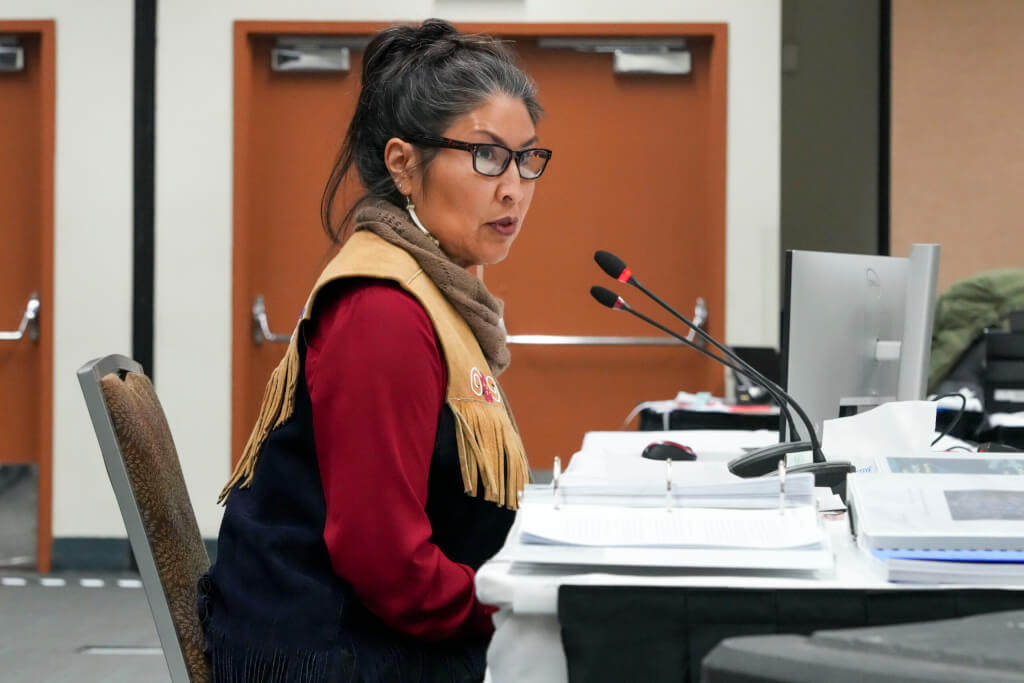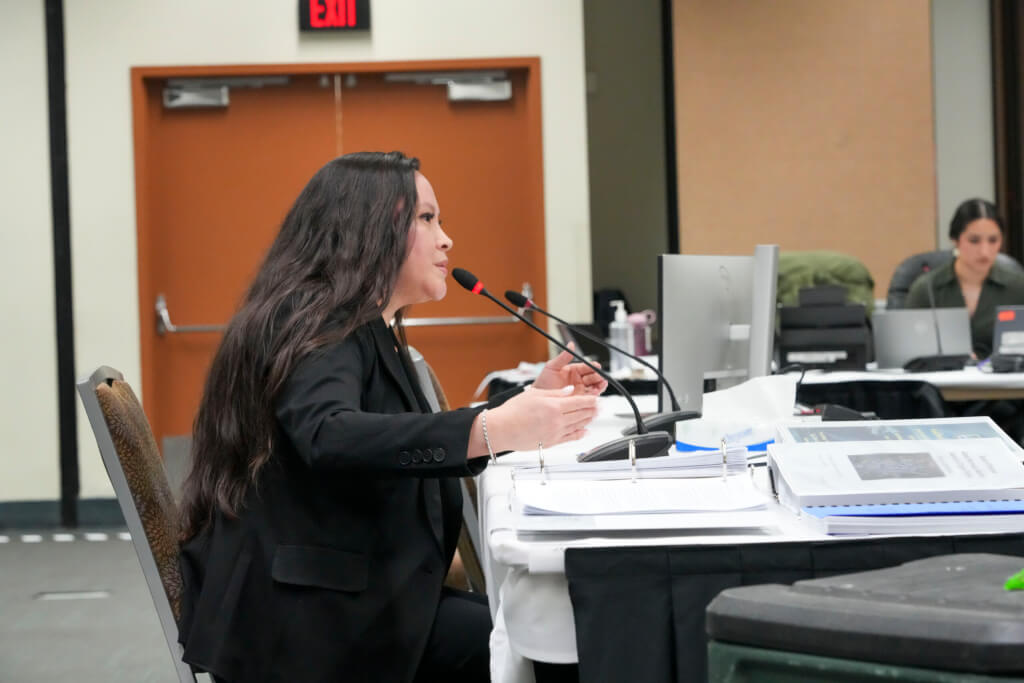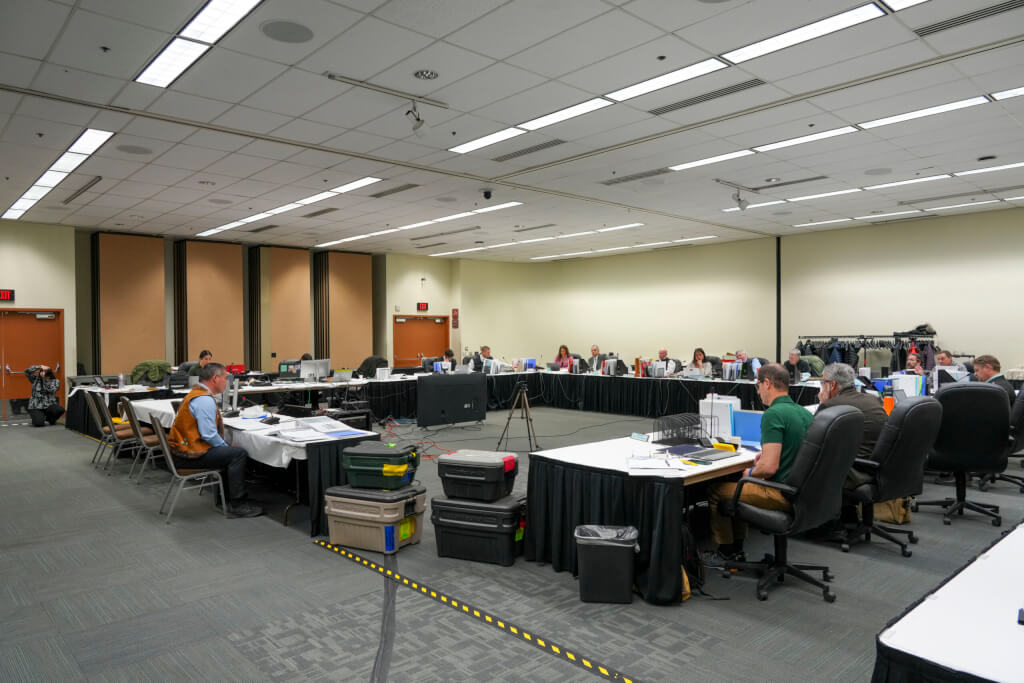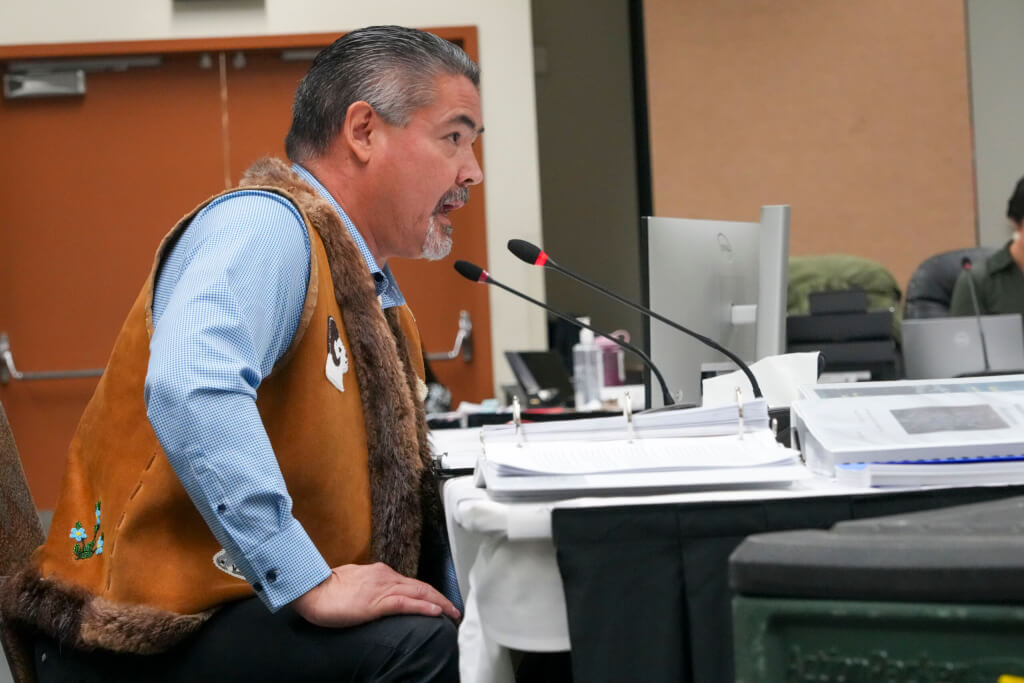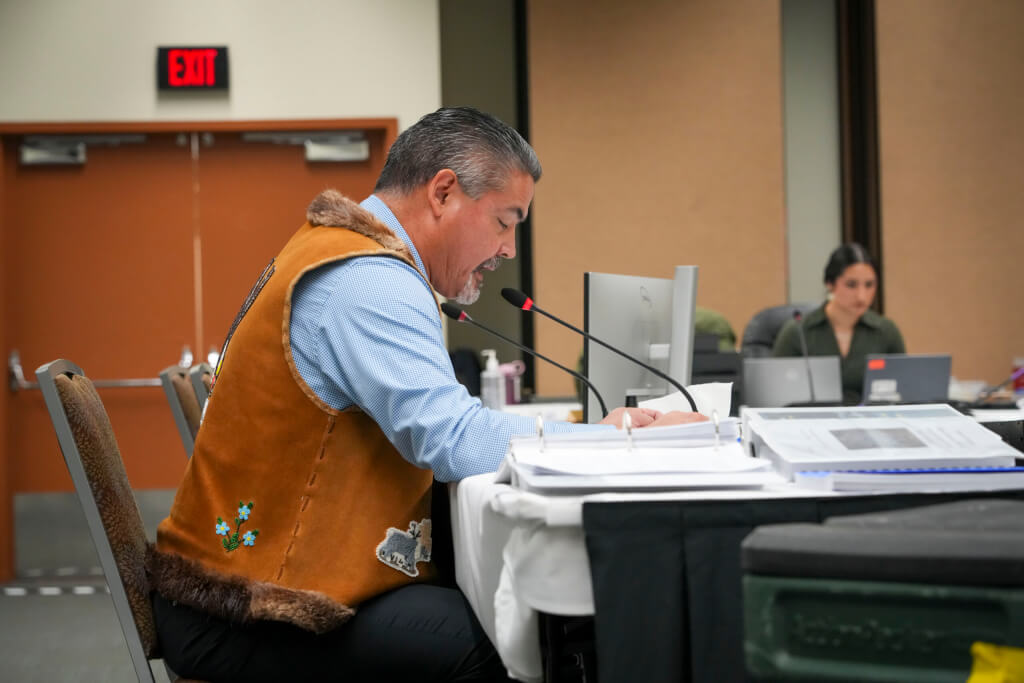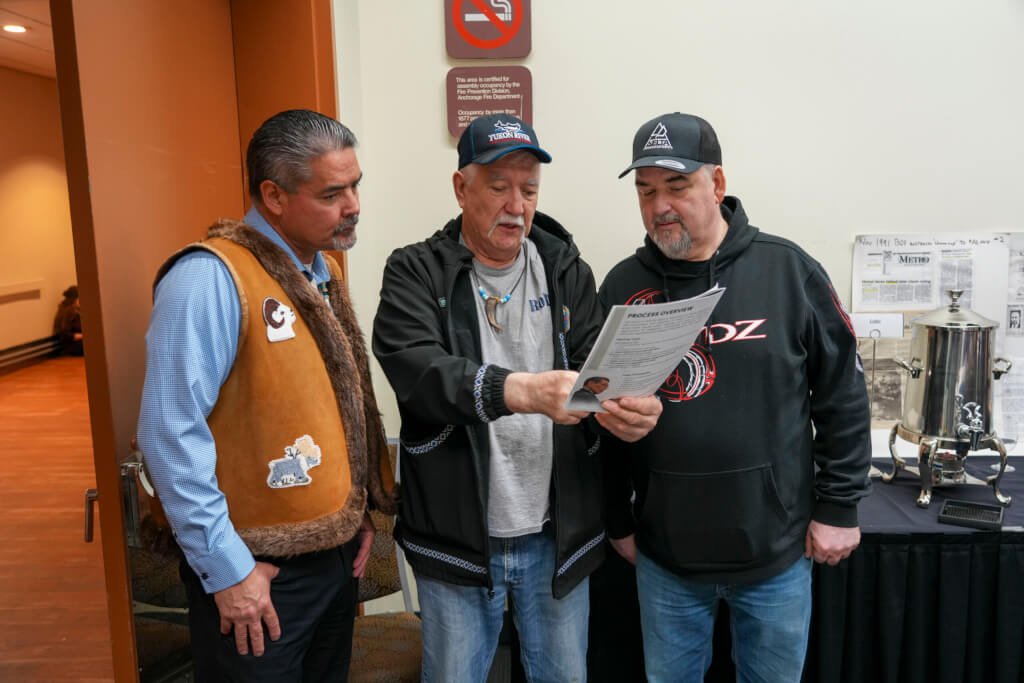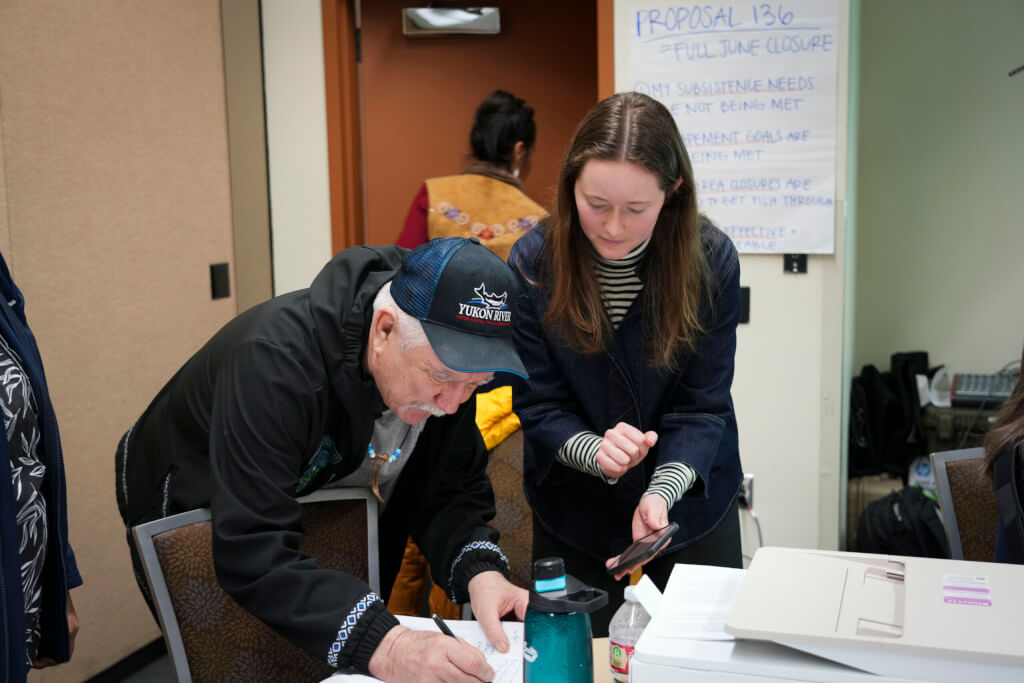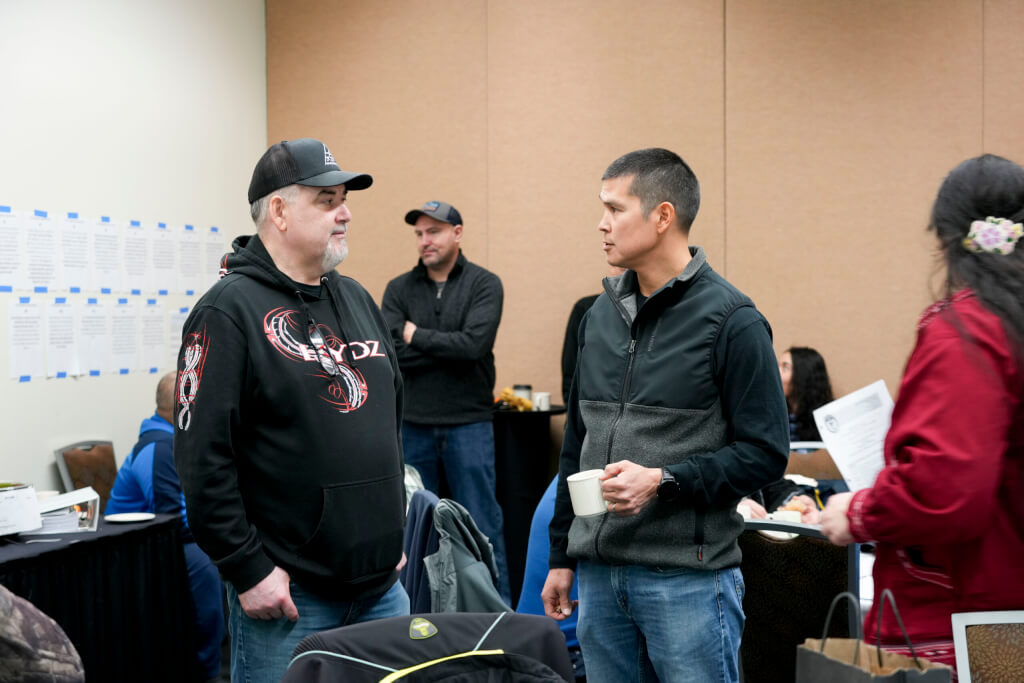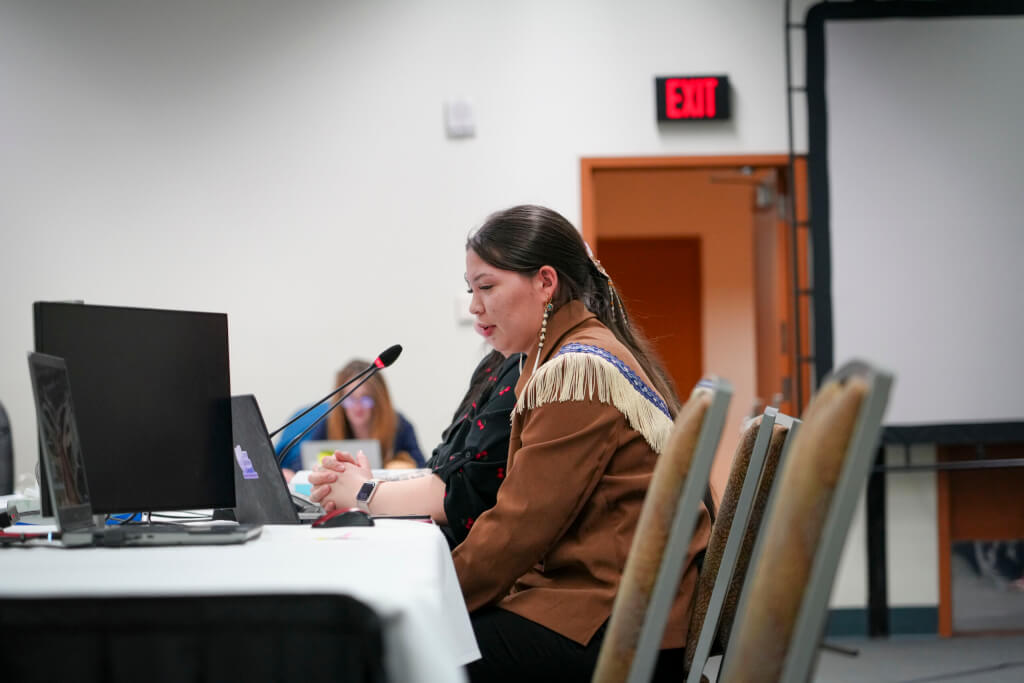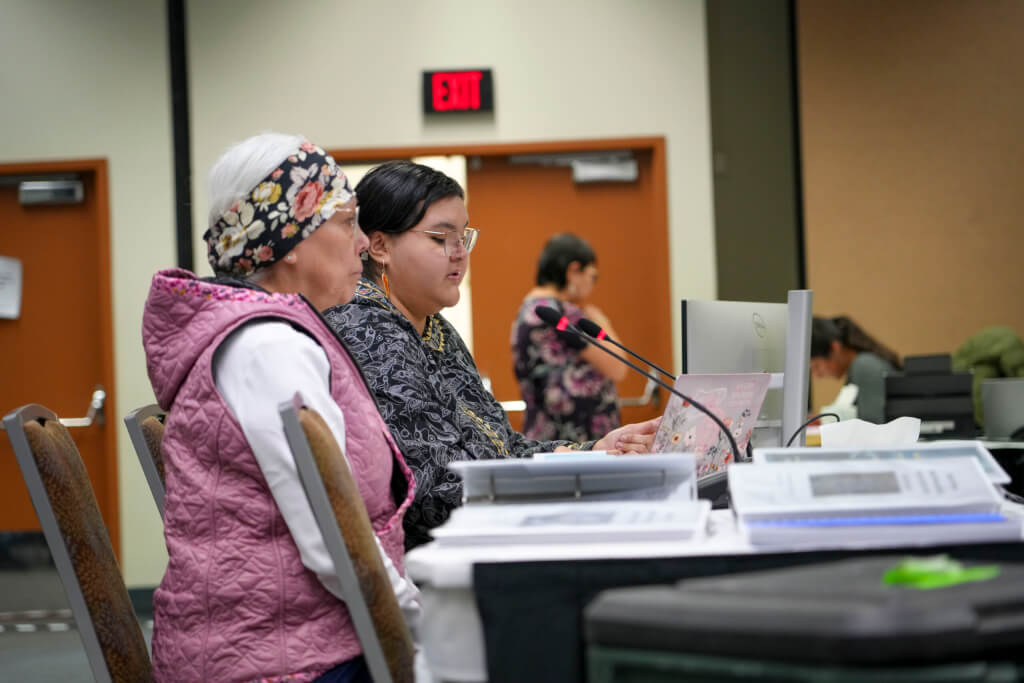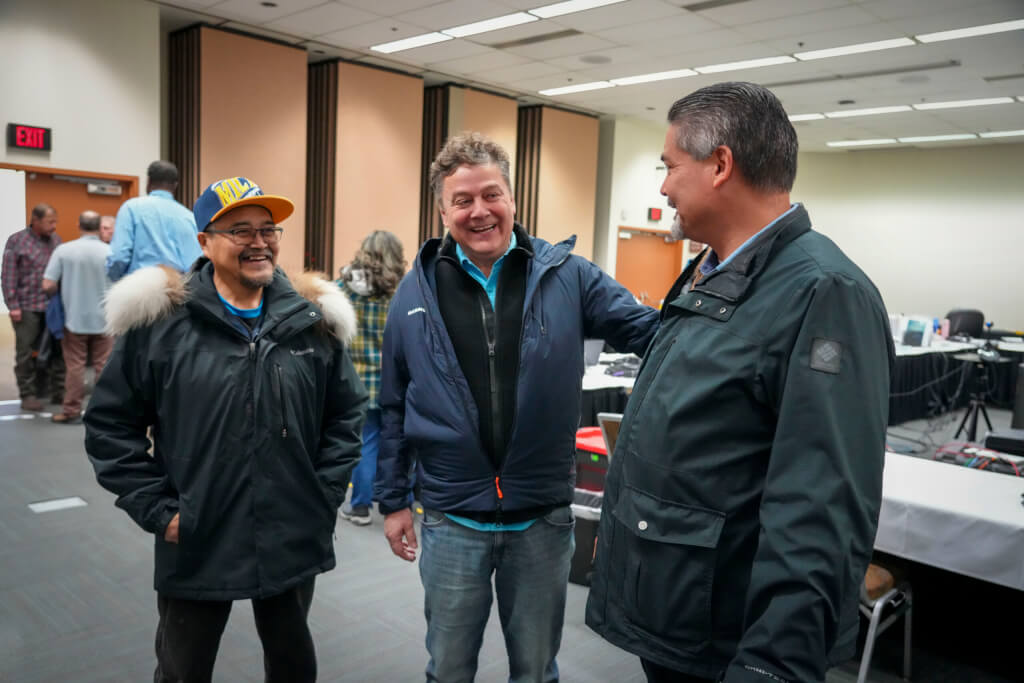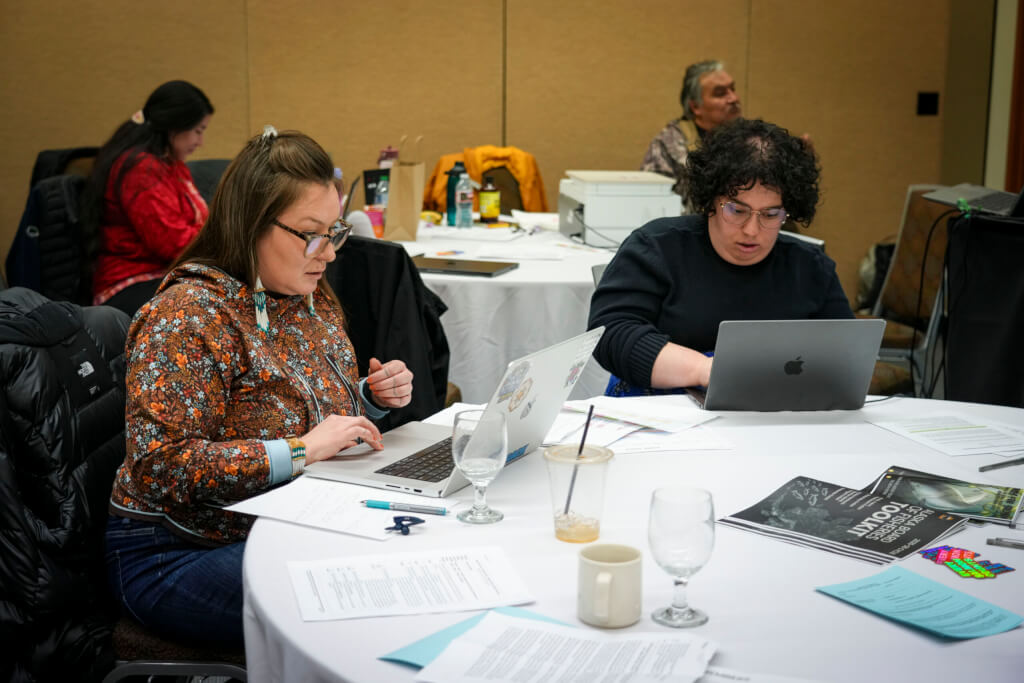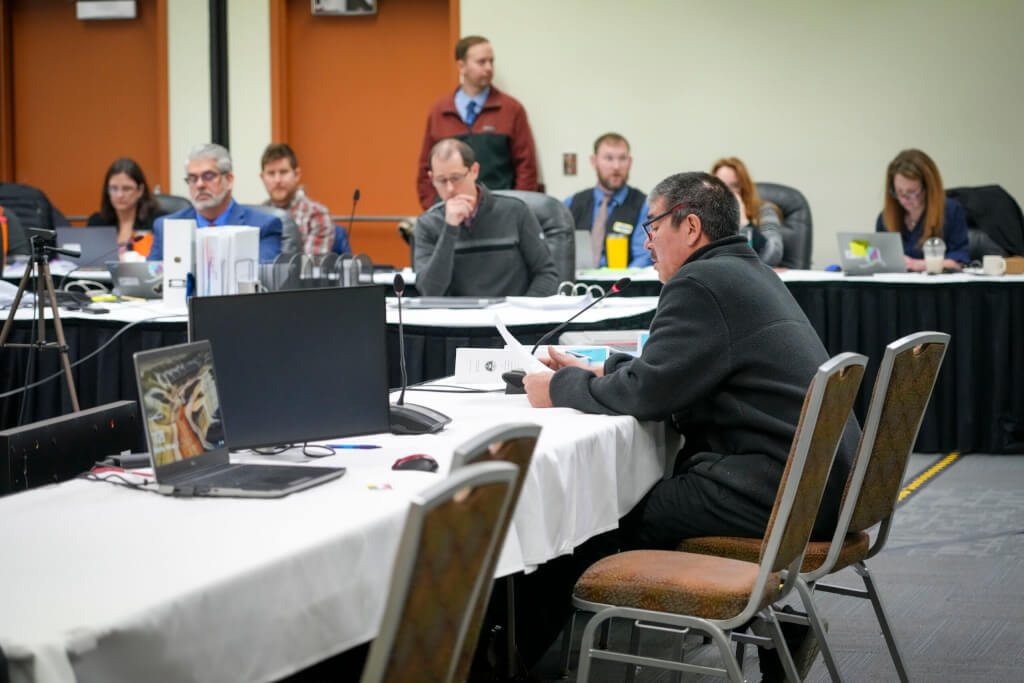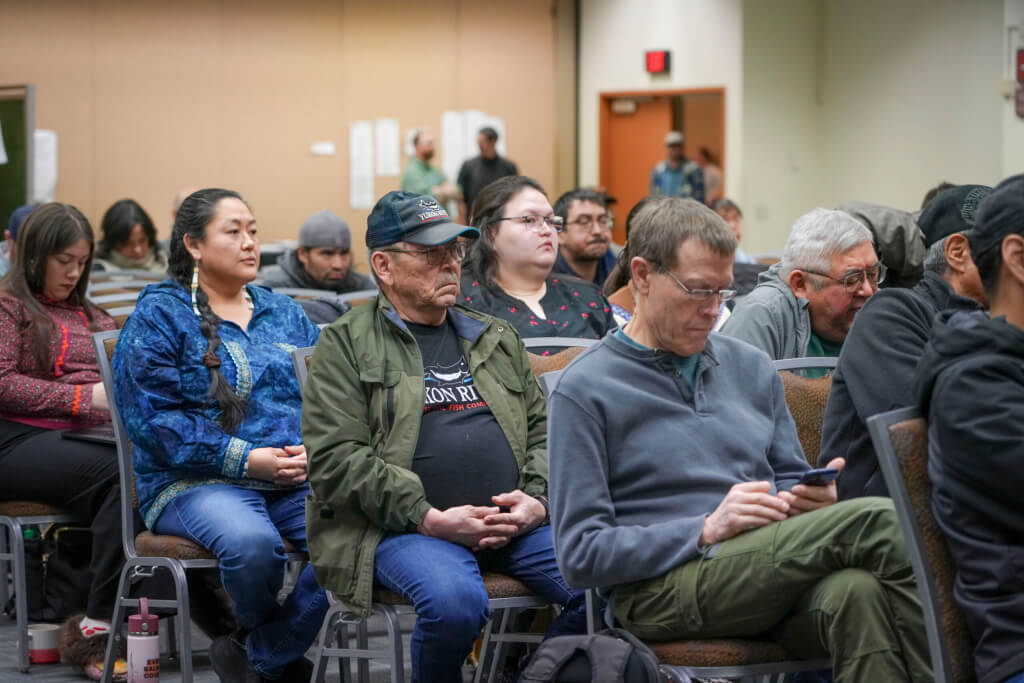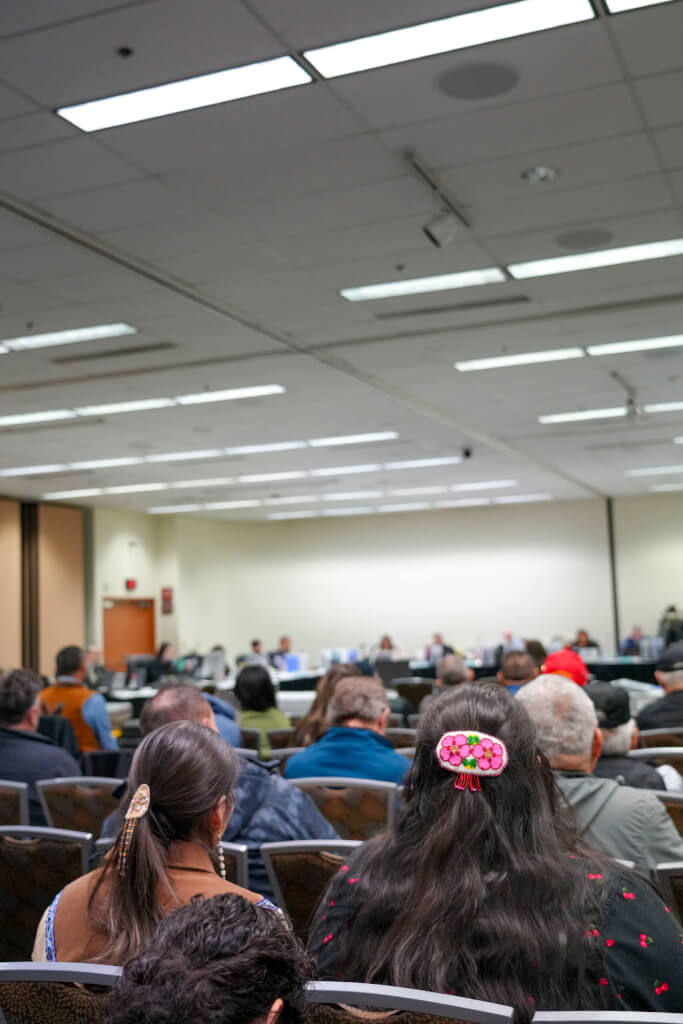
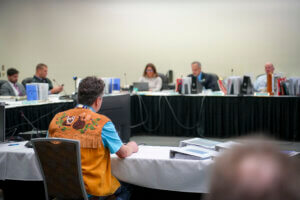
 February was an important month for the future of Yukon River salmon. Tribal leaders, Elders, fishermen, and advocates from across the Tanana Chiefs Conference (TCC) region traveled and testified at both the Alaska Board of Fisheries and the North Pacific Fishery Management Council meetings, sharing a unified message: salmon must be protected and the responsibility for conservation must be shared.
The most significant outcome came from the Alaska Board of Fisheries, which approved major management changes to the Area M commercial fishery intended to reduce interception of Western Alaska chum salmon before they reach the Yukon River. The Board reduced fishing opportunity in Area M by approximately 30 percent, including a reduction of 136 hours for the drift fleet and 94 hours for the seine fleet during periods when vulnerable chum salmon stocks are present.
For Yukon River communities, the decision carries real meaning. For several years, families have faced historic fishing closures as chum salmon runs declined to critical levels. Smokehouses have stood empty, Elders have lost access to traditional foods, and many households have struggled with food insecurity while working to conserve the fish.
Chief/Chairman Brian Ridley said the decision reflects the voices of Tribal communities finally being heard.
“For several years our people have lived with empty smokehouses and uncertainty about how they will feed their families,” Ridley said. “Today’s action shows that those voices were heard, and we appreciate the Board taking meaningful steps toward protecting our salmon.”
The Board’s action moves management toward precautionary conservation measures intended to protect salmon before they ever reach the river and recognizes that Yukon River communities have already carried the burden of conservation.
“Our fishermen stopped fishing, our Elders went without, and our communities made real sacrifices to protect these salmon,” Ridley said. “This decision recognizes that conservation must be shared across all users if we want salmon to return to the river.”
Earlier in the month, Tribal leaders also participated in the North Pacific Fishery Management Council meeting in Anchorage addressing chum salmon bycatch in the Bering Sea pollock fishery. The Council adopted new federal measures establishing a 45,000-fish Western Alaska chum salmon bycatch limit in key migration areas and a partial corridor closure if that limit is exceeded, along with weekly bycatch reporting to Alaska Native Tribes.
This is the first in-season accountability measure tied specifically to Western Alaska chum salmon and represents a step toward placing some conservation responsibility on the offshore pollock fishery — responsibility that Interior communities have largely carried for years. Nearly 200 people testified at the meeting, including representatives from 137 federally recognized Tribes, describing the cultural, nutritional, and economic impacts of the salmon decline.
Ridley emphasized that the work is not finished. “We need more salmon reaching our rivers. We are not asking the pollock fishery to shut down — we are asking that conservation no longer fall only on Tribes.”
Together, these meetings show that sustained Tribal advocacy is making a difference. The Board of Fisheries decision marks a meaningful conservation action, and the Council’s decision signals growing recognition that Western Alaska salmon must be protected before they are intercepted at sea. While neither action alone will rebuild the runs overnight, both move Alaska closer to balanced management that protects subsistence uses and future generations.