MEMPHIS, Tenn. (June 16, 2026) — Alaska Native leaders used the national stage at the National Congress of American Indians (NCAI) Mid-Year Convention to call on Tribal Nations across the country to stand with Alaska in protecting salmon, subsistence rights, and Indigenous ways of life.
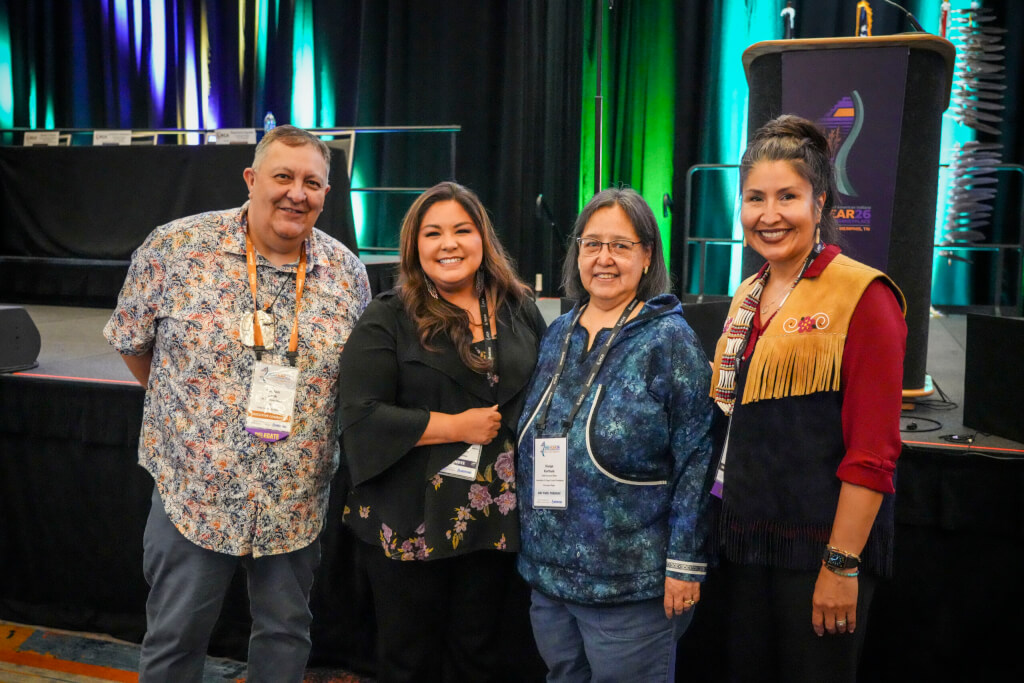
Representatives from Tanana Chiefs Conference, the Association of Village Council Presidents, the Central Council of the Tlingit and Haida Indian Tribes of Alaska, and the Alaska Federation of Natives came together to deliver the presentation, “One People, One Voice: Standing Up for Alaska’s Salmon and Our Way of Life.” The presentation was intended to elevate the challenges facing Alaska Native communities and build national support for efforts to protect one of Alaska’s most precious resources.
Leaders said they felt it was critical to bring Alaska’s message to Tribal Nations across the country because the ongoing decline of salmon populations and the barriers Tribes face in advocating for subsistence priorities have become too significant for Alaska Native communities to confront alone.
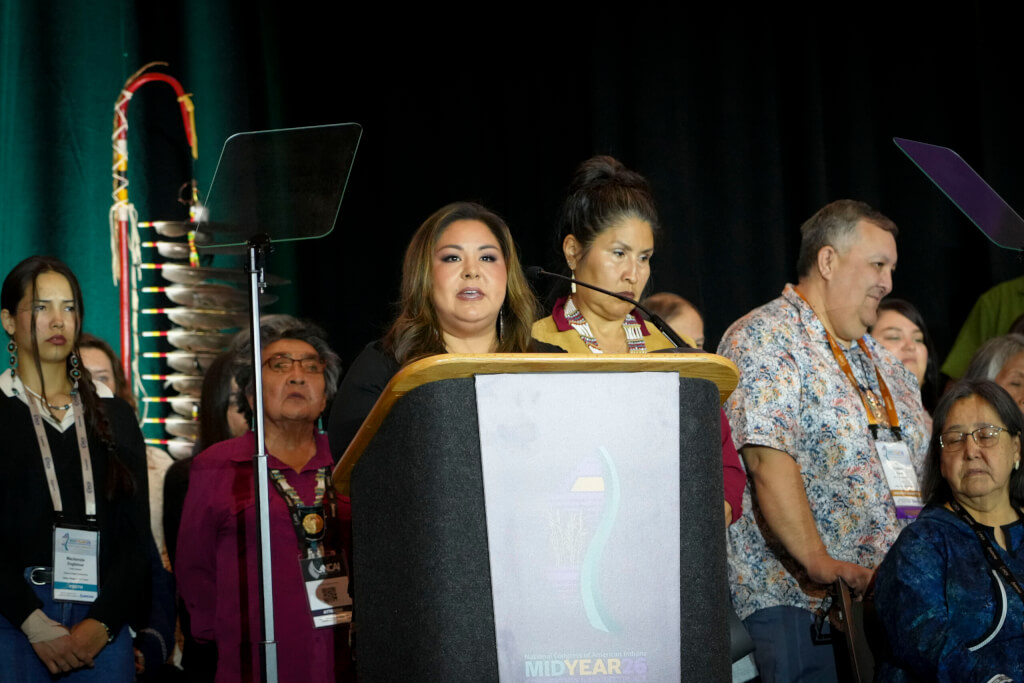
Throughout the presentation, Sharon Hildebrand, Chief/Chair of Tanana Chiefs Conference; Clinton E. Cook, President, Craig Tribal Association; Vivian Korthuis, Chief Executive Officer of the Association of Village Council Presidents; and Angela Totemoff, Vice President of Community and Shareholder Relations and Chair of the Alaska Federation of Natives Subsistence Committee, shared the impacts declining salmon returns have had on rural communities throughout Alaska, highlighted the ongoing challenges Tribes face in advocating for salmon and subsistence priorities, and emphasized that protecting salmon will require collective action.
“For Alaska Native people, salmon are much more than a resource—they are woven into the foundation of who we are,”said Sharon Hildebrand, Chief/Chair of Tanana Chiefs Conference.
The leaders described how declining salmon returns have affected food security, cultural practices, and the transmission of traditional knowledge across generations. They also outlined the barriers Alaska Tribes have encountered in advocating for salmon through state and federal management systems that often fail to adequately recognize Tribal sovereignty, stewardship responsibilities, and subsistence priorities.
“This is not only a fisheries issue; it is a food security crisis, a cultural crisis, and an equity issue,” said Angela Totemoff, Vice President of Community and Shareholder Relations and Chair of the Alaska Federation of Natives Subsistence Committee.
Alaska Native Tribes and organizations have repeatedly raised these concerns before NCAI, submitting several resolutions seeking support for issues related to salmon stewardship, subsistence rights, Tribal co-management, and Indigenous food sovereignty.
“Alaska Tribes have largely been excluded from co-management frameworks despite our inherent sovereignty, stewardship responsibilities, and deep cultural and subsistence reliance on salmon,” said Vivian Korthuis, Chief Executive Officer of the Association of Village Council Presidents.
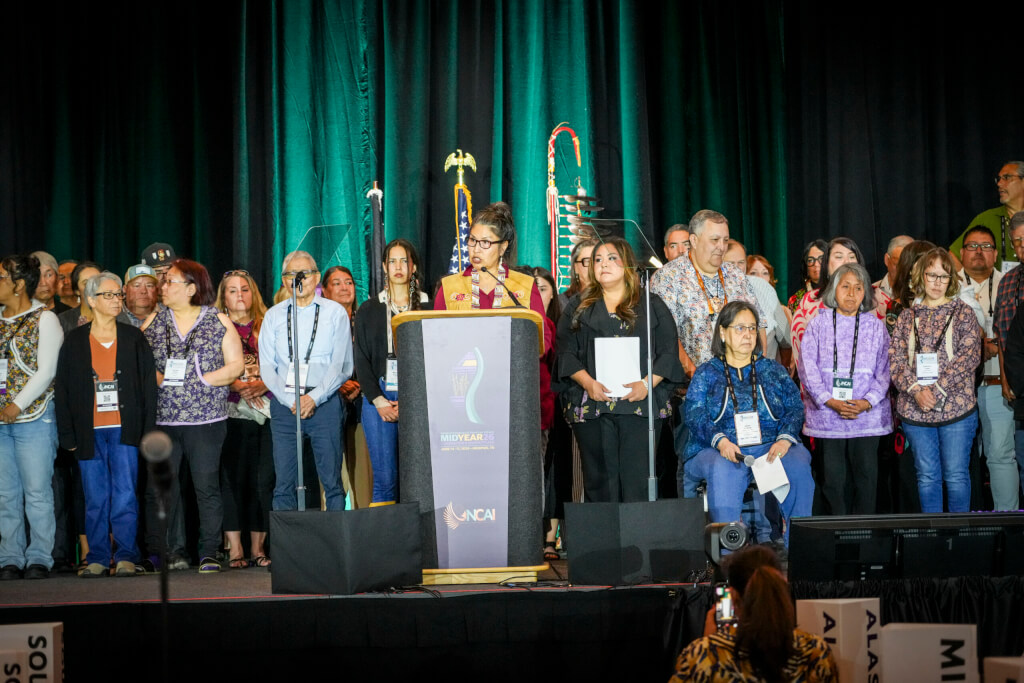
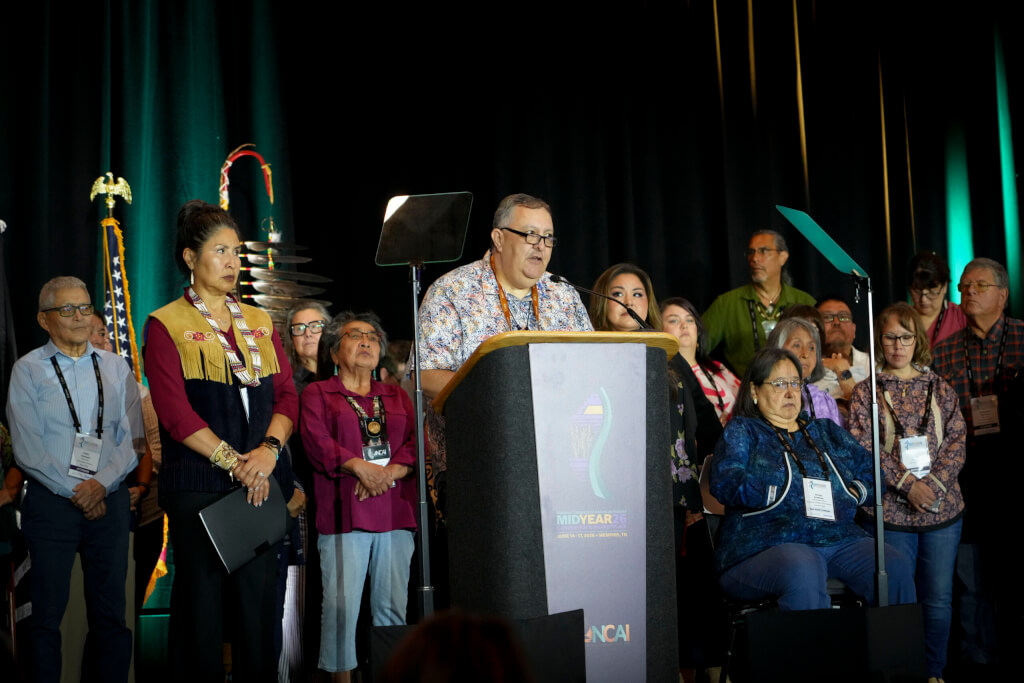
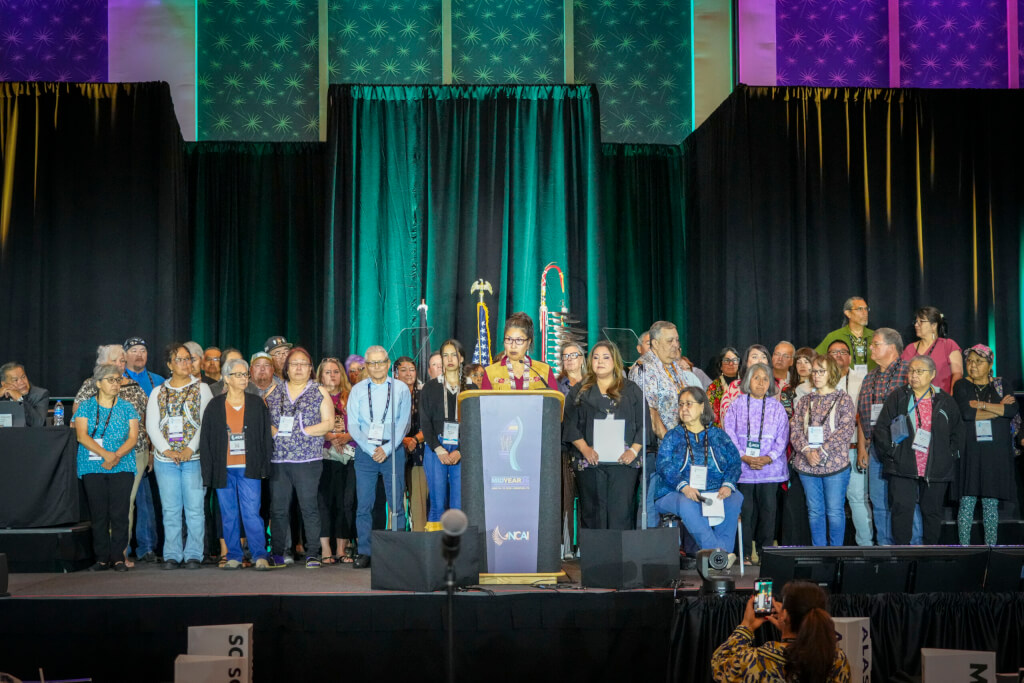
As Tribal leaders and subsistence users stood together on stage in a visible demonstration of unity, they called on Tribal Nations across the country to recognize that protecting salmon is not solely an Alaska issue, but one that speaks to the shared responsibility Indigenous peoples have to protect the lands, waters, and resources that sustain their communities.
“When one Tribe’s ability to sustain its way of life is challenged, it is a warning to us all. We must come together, as one collective voice, to protect Indigenous rights everywhere,” said Clinton E. Cook, President, Craig Tribal Association.
The presentation concluded with a call for Tribal Nations to stand with Alaska in advocating for meaningful Tribal participation in fisheries management, increased investment in Tribal co-management, and policies that prioritize conservation, subsistence, and the long-term sustainability of salmon populations.
“Protecting salmon will require collective action,” Cook said. “We ask you to stand with us, not just in words, but in action, because the future of our salmon, our cultures, and our communities depends on it.”
###