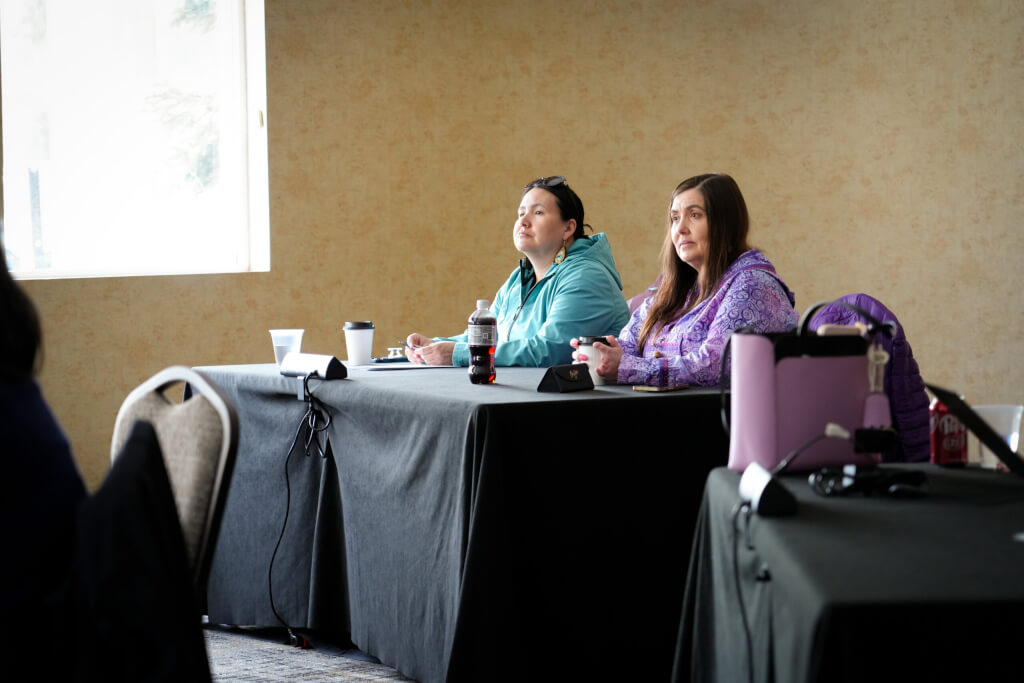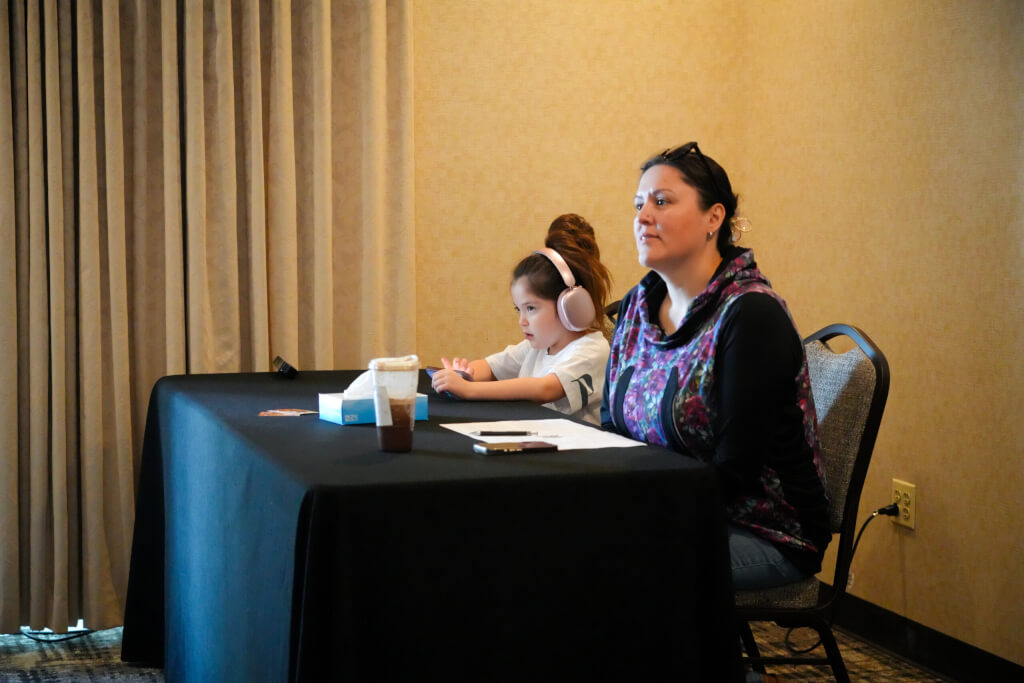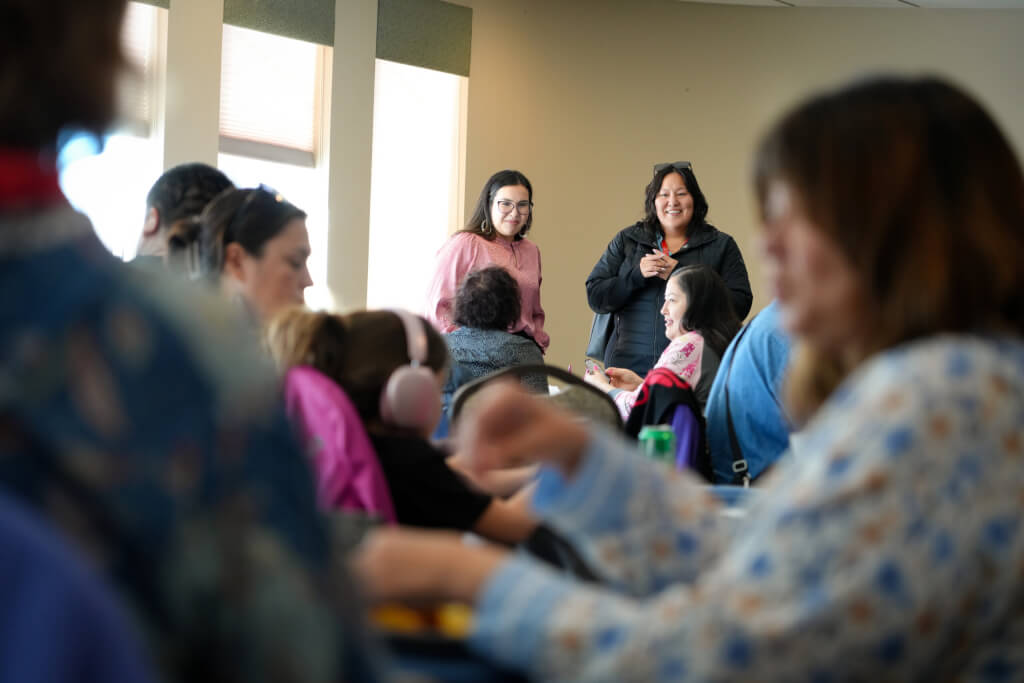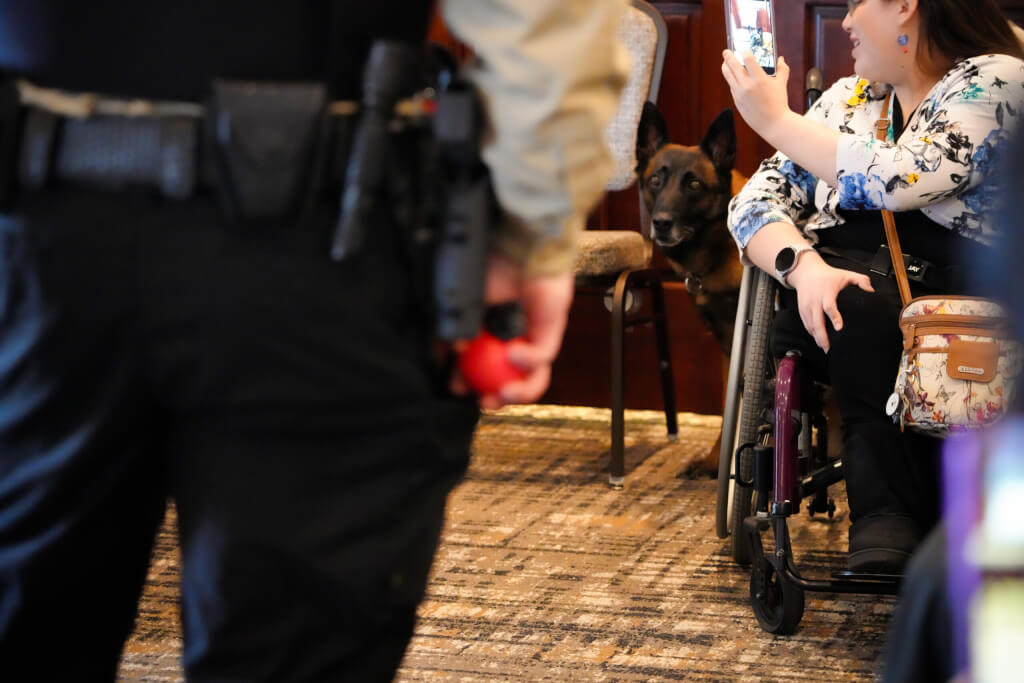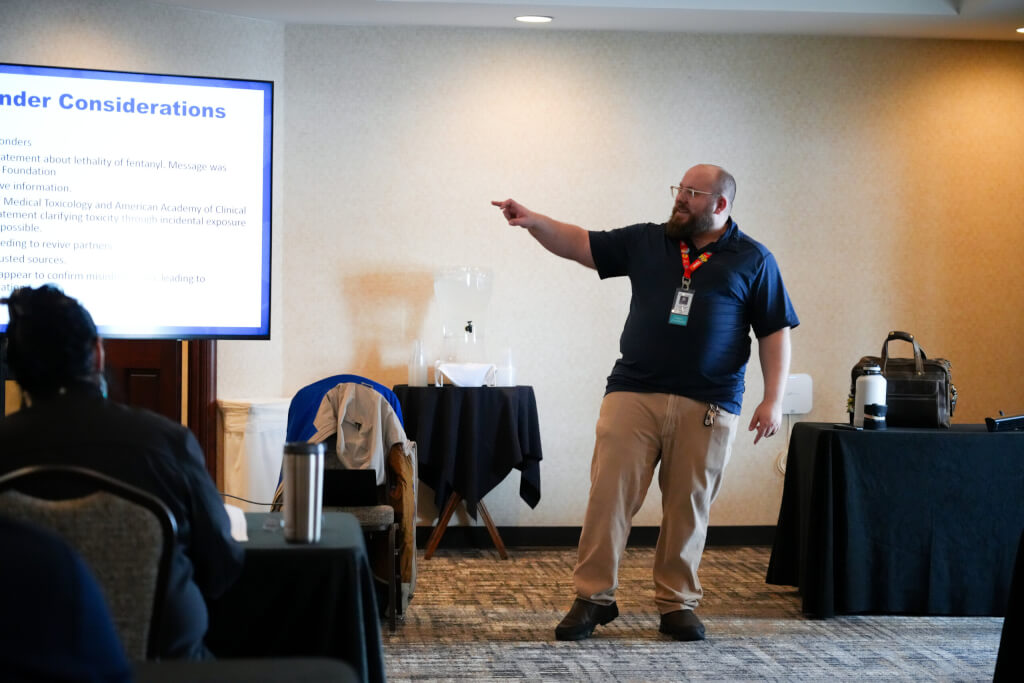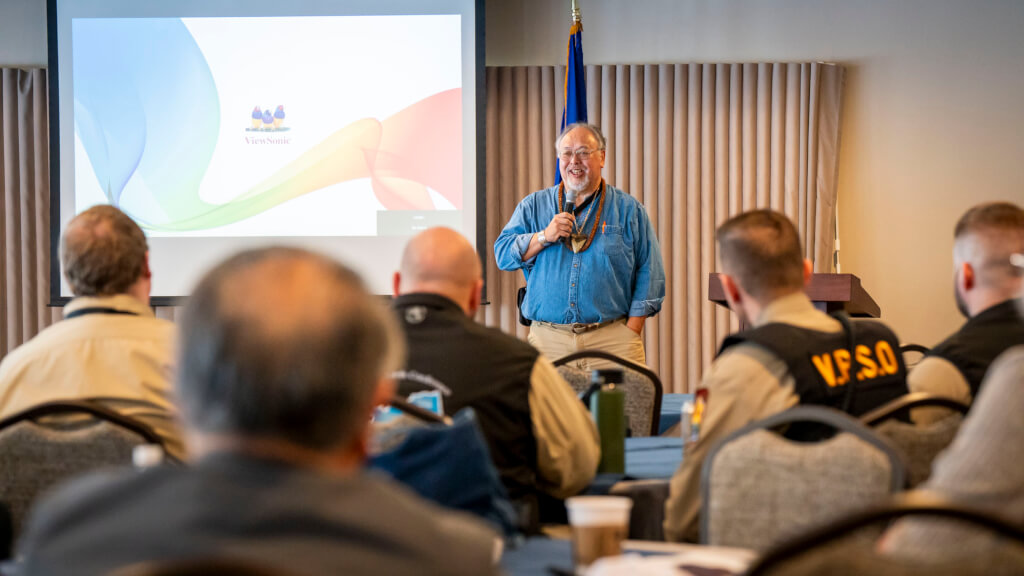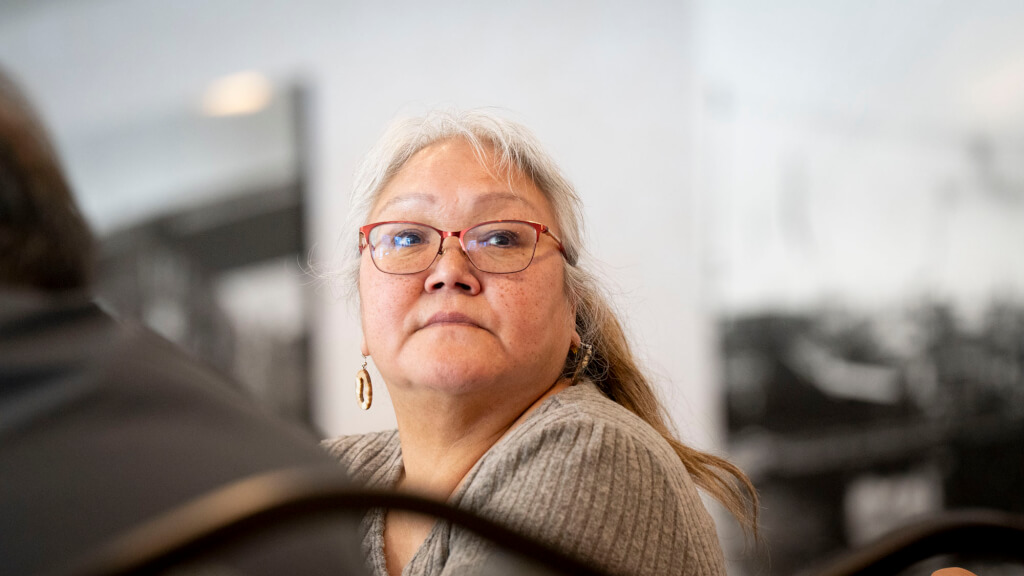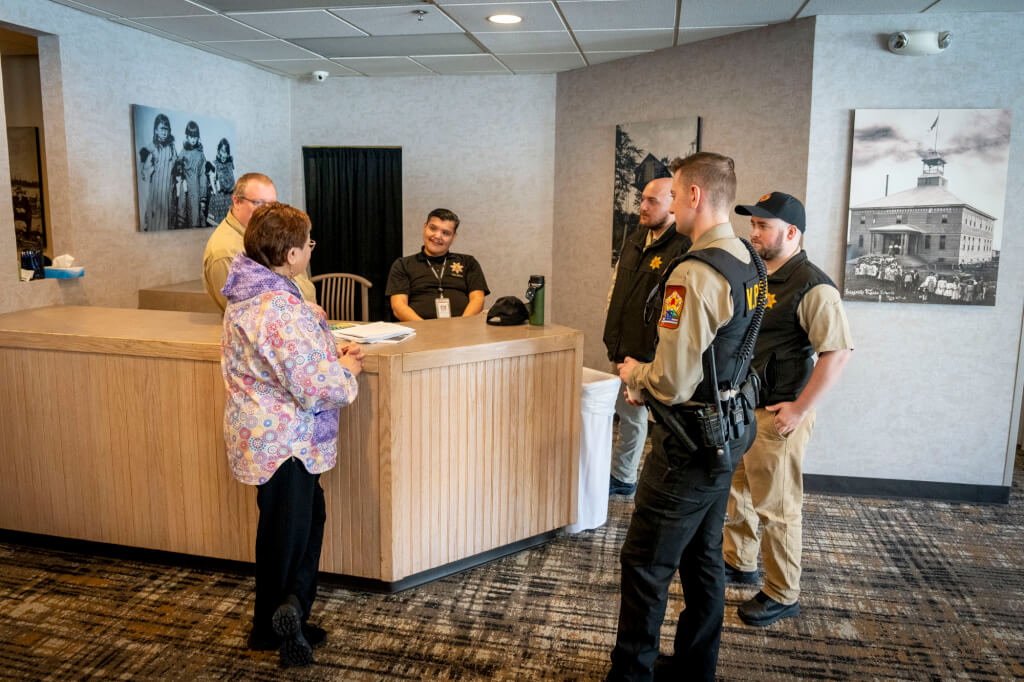
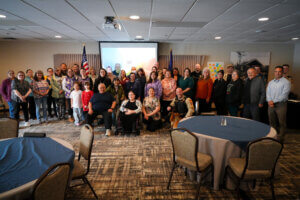
 The 2026 Alaska Tribal Public Safety Summit was held April 21–22 at Wedgewood Resort. The summit brought together Tribal leaders, public safety professionals, advocates, and partners from across the region to strengthen coordination, share knowledge, and advance community safety grounded in Tribal sovereignty and cultural values.
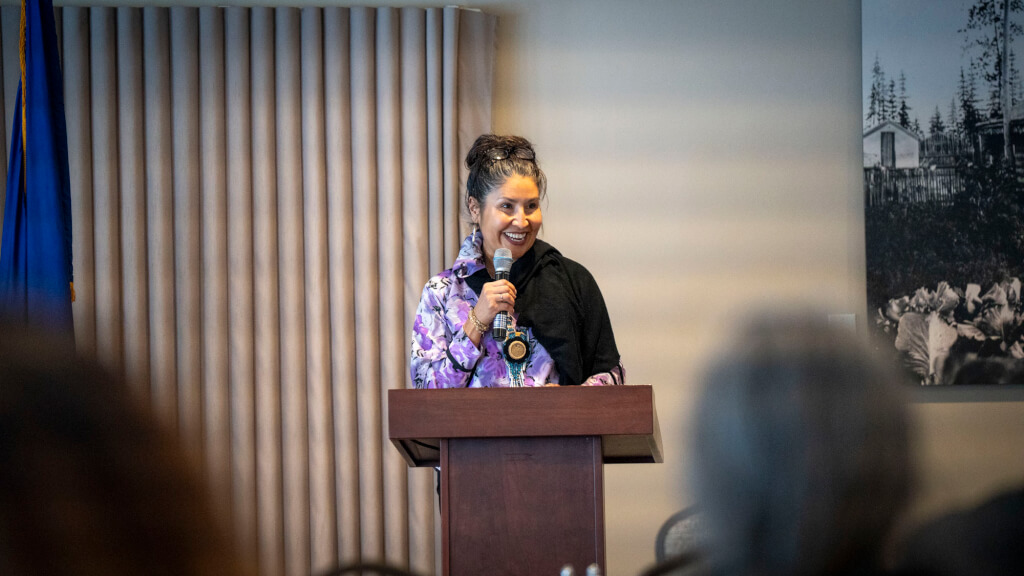
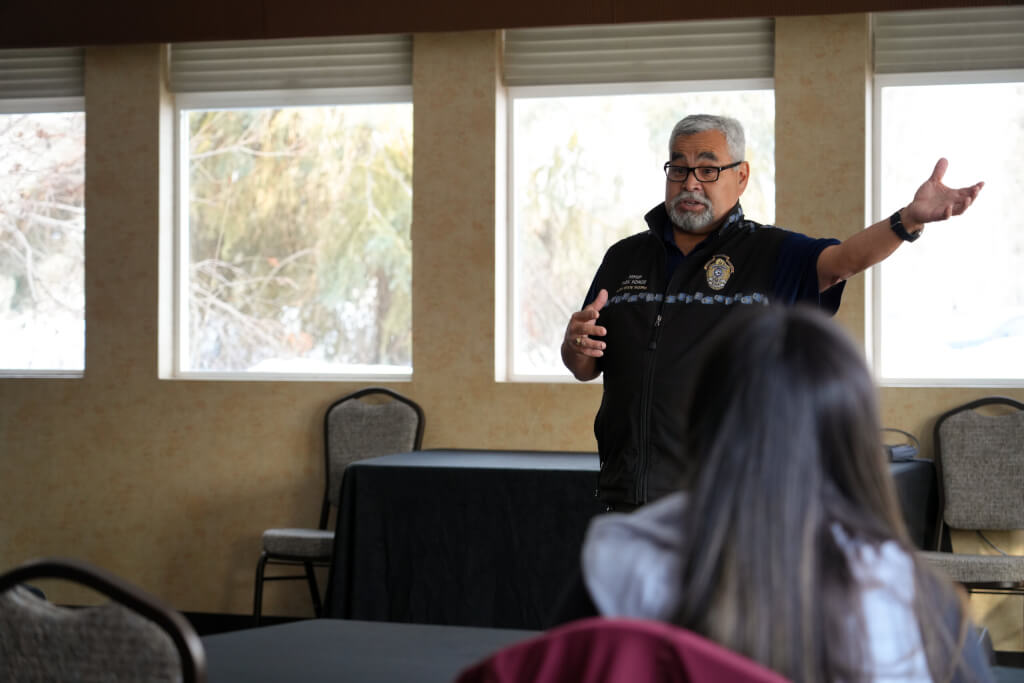
The summit opened Tuesday morning with a welcome from Chief/Chairman Sharon Hildebrand alongside remarks from Tribal Protection and Safety Director Michael Gho. The opening session, “Leading with Tradition: Tribal Justice, Safety, and Sovereign Responsibility,” emphasized the essential role of Tribal traditions, inherent authority, and sovereignty in guiding justice systems and protecting communities.
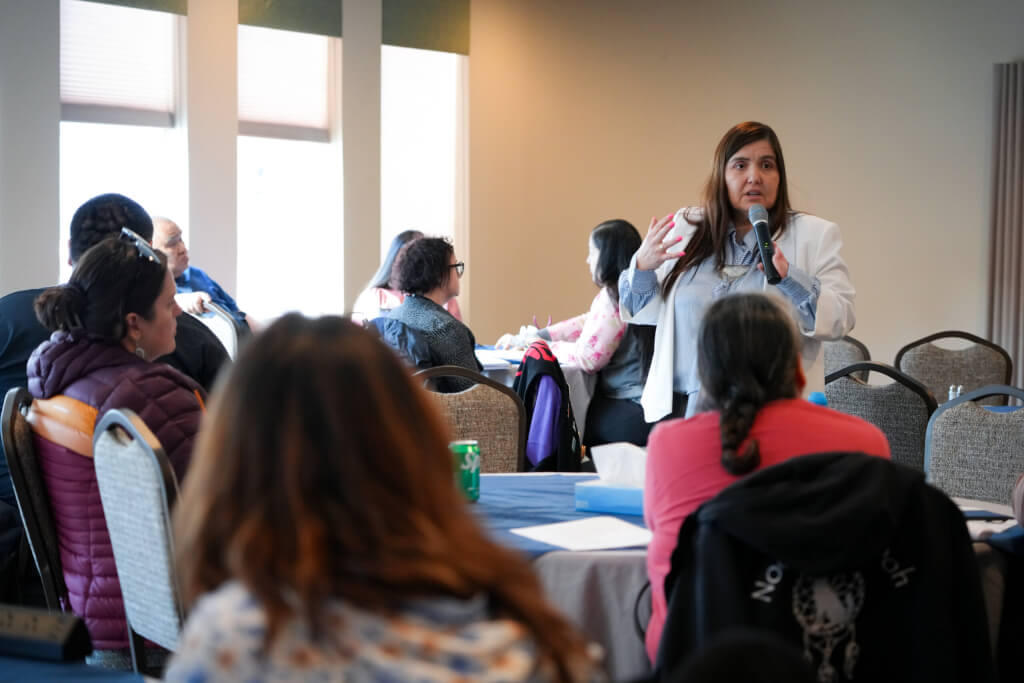
Throughout the day, presentations addressed the unique challenges and opportunities facing public safety in Alaska. Discussions highlighted the importance of coordination between Village Public Safety Officers (VPSOs) and Tribes, as well as community-driven safety models tailored to rural and remote regions. A working lunch featured a proclamation supporting victims of crime and promoting Alaska safety, alongside a cultural demonstration of traditional winter hat making, reinforcing how accountability and trust are strengthened when culture is honored in public safety efforts.
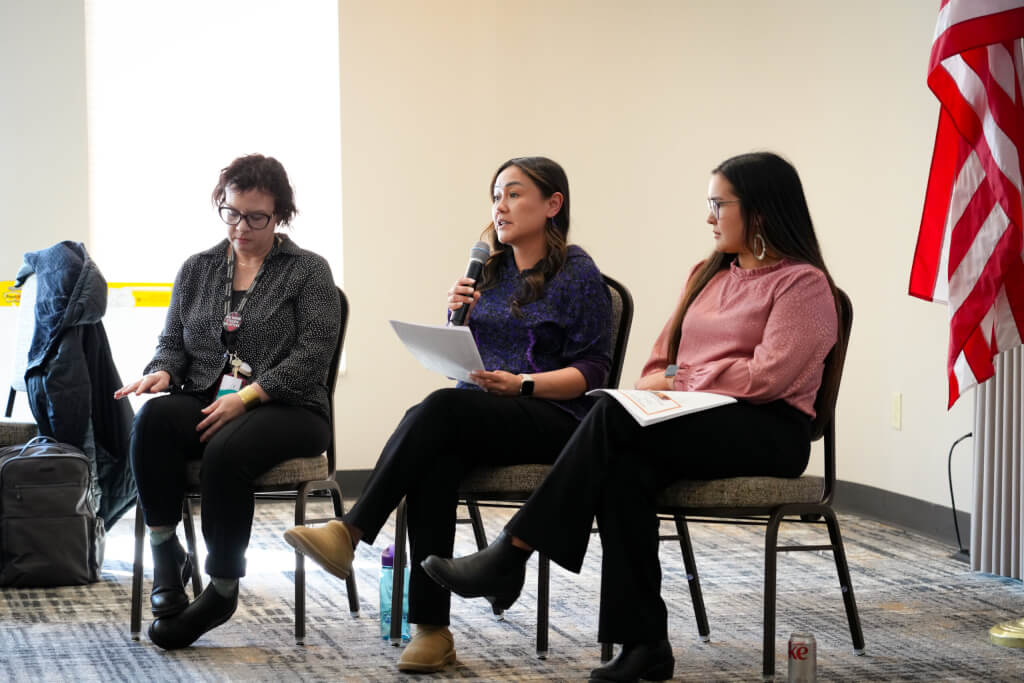
Afternoon sessions focused on strengthening regional responses to Missing and Murdered Indigenous People (MMIP), improving coordination across agencies, and ensuring culturally appropriate victim support. Presenters emphasized the importance of integrating Tribal and non-Tribal services, enhancing access to care, and building systems that center survivors. Participants also heard from the Fairbanks District Attorney’s Office on practical steps communities can take to support investigations and improve outcomes, including timely reporting and evidence collection.
The second day consisted of breakout sessions that allowed participants to explore key topics in greater depth. Sessions covered civil diversion agreements, drug trafficking trends in rural Alaska, and jurisdictional complexities in MMIP response. Additional discussions addressed Special Tribal Criminal Jurisdiction, the impacts of fentanyl and methamphetamine, and the continued role of Tribal sovereignty in shaping justice systems.
Afternoon breakout sessions focused on the Indian Child Welfare Act (ICWA), the enforcement of Tribal court protective orders, and balancing civil and criminal accountability within Tribal systems. Presenters emphasized due process, the protection of individual rights, and the importance of culturally grounded approaches to justice.
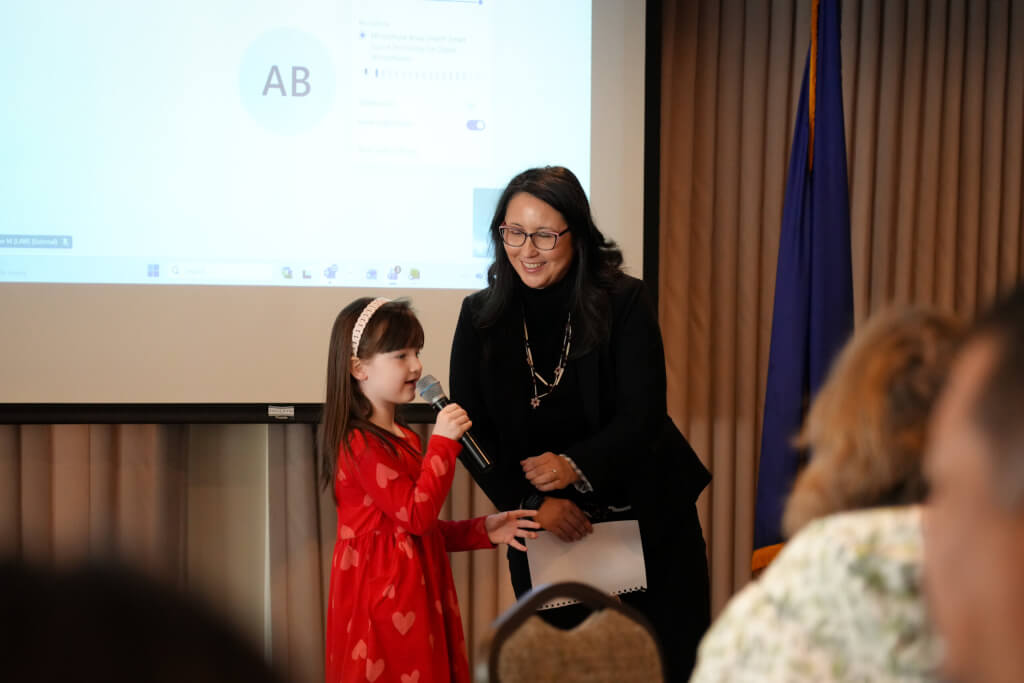
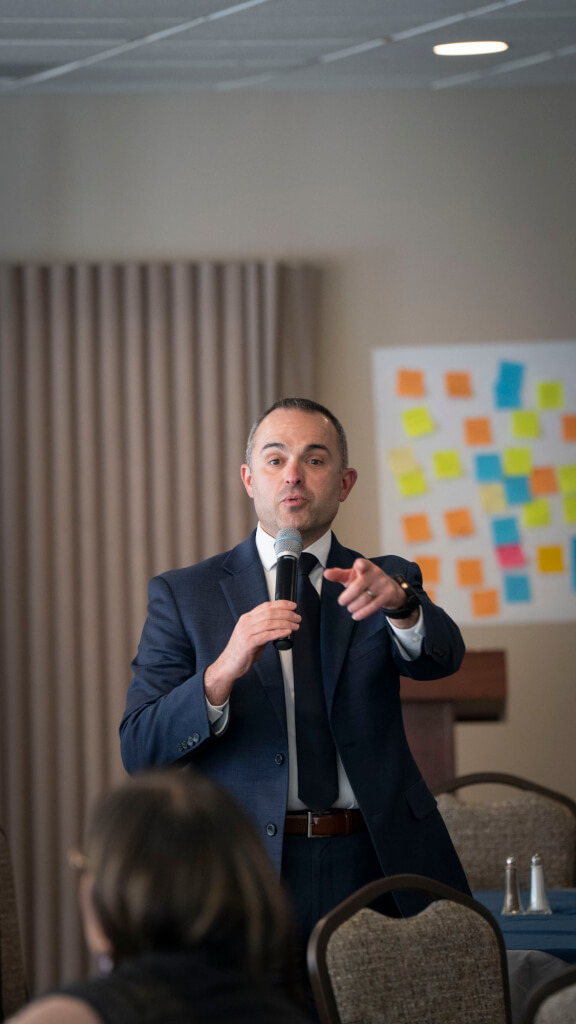
The summit concluded with a session on advancing Tribal social justice priorities, followed by a collaborative closing activity. Participants identified concrete actions to strengthen public safety within their communities over the next 6–12 months, shared insights on culturally grounded victim support, and discussed opportunities to strengthen partnerships and close jurisdictional gaps.
The 2026 Alaska Tribal Public Safety Summit reinforced a shared commitment to advancing Tribal justice systems that are rooted in culture, guided by sovereignty, and responsive to the needs of Alaska Native communities.