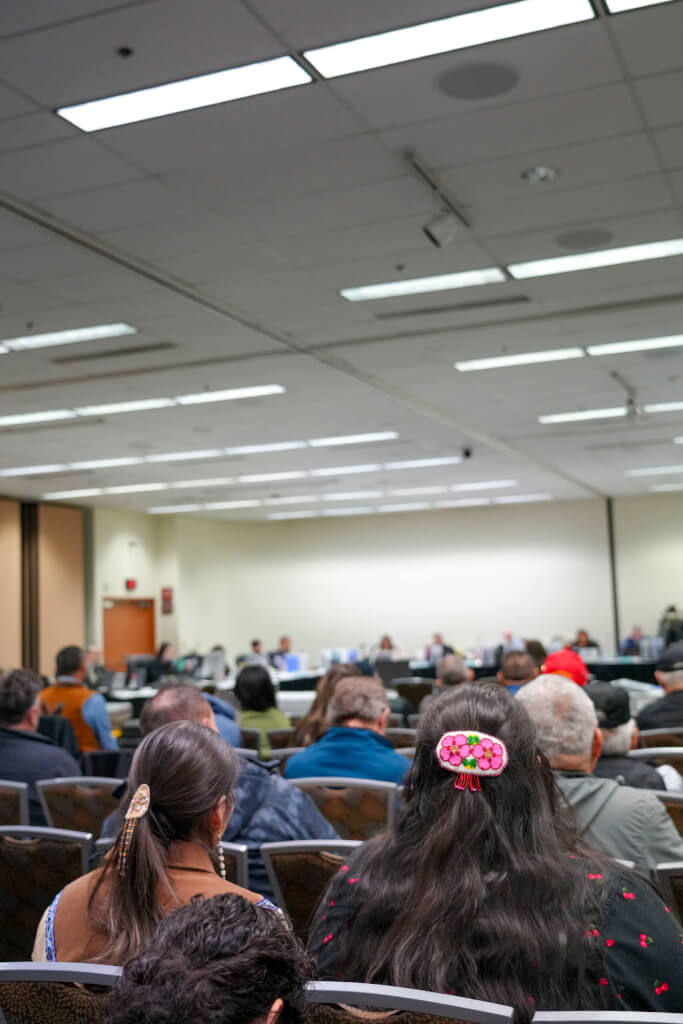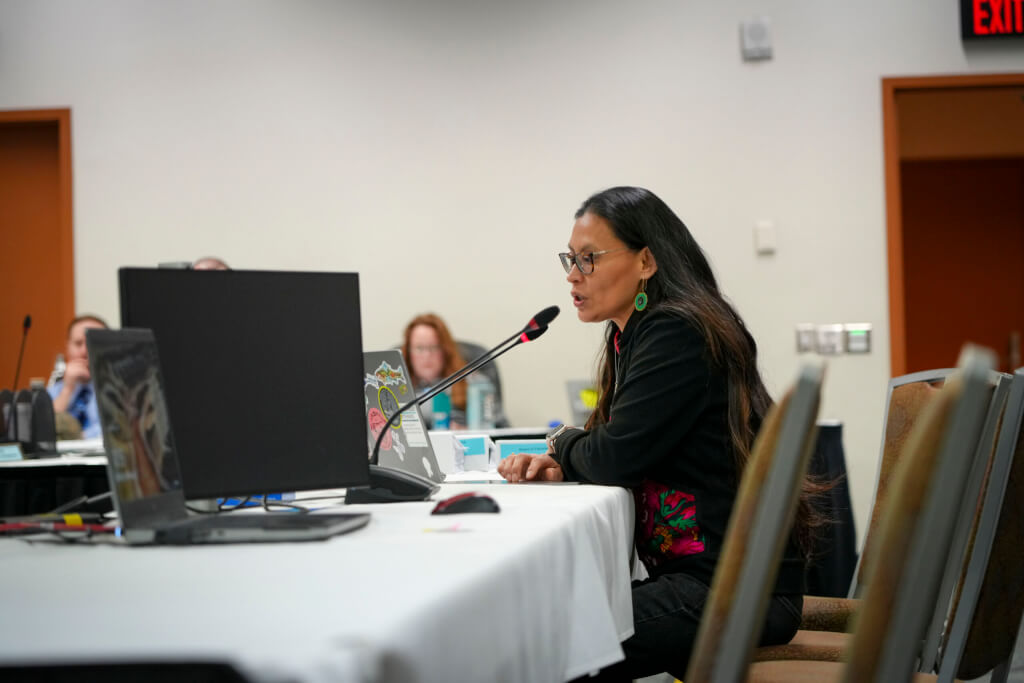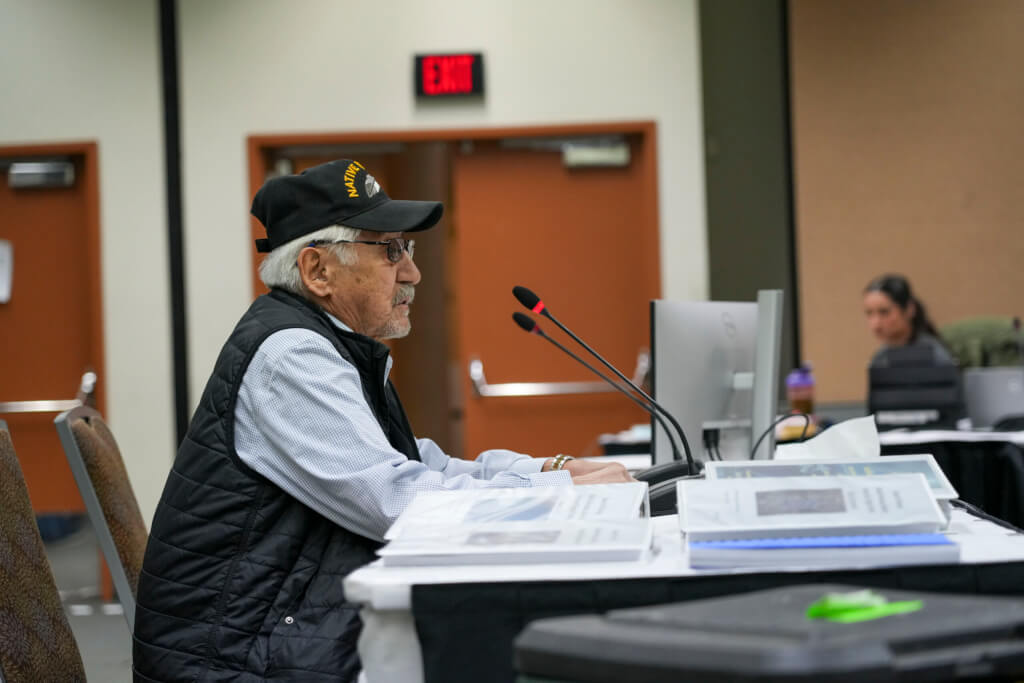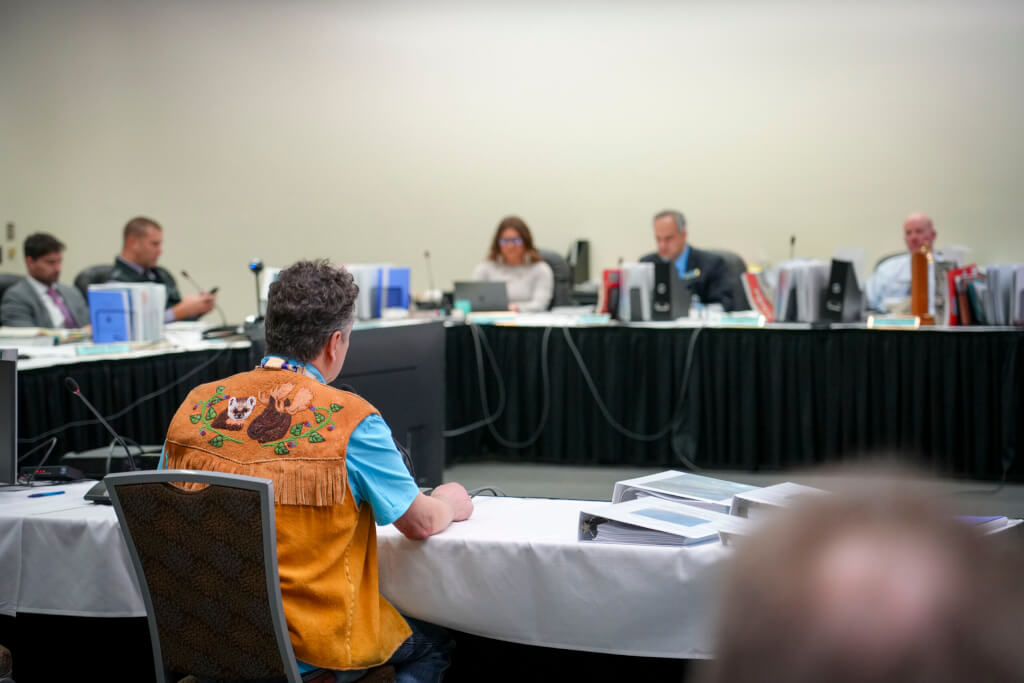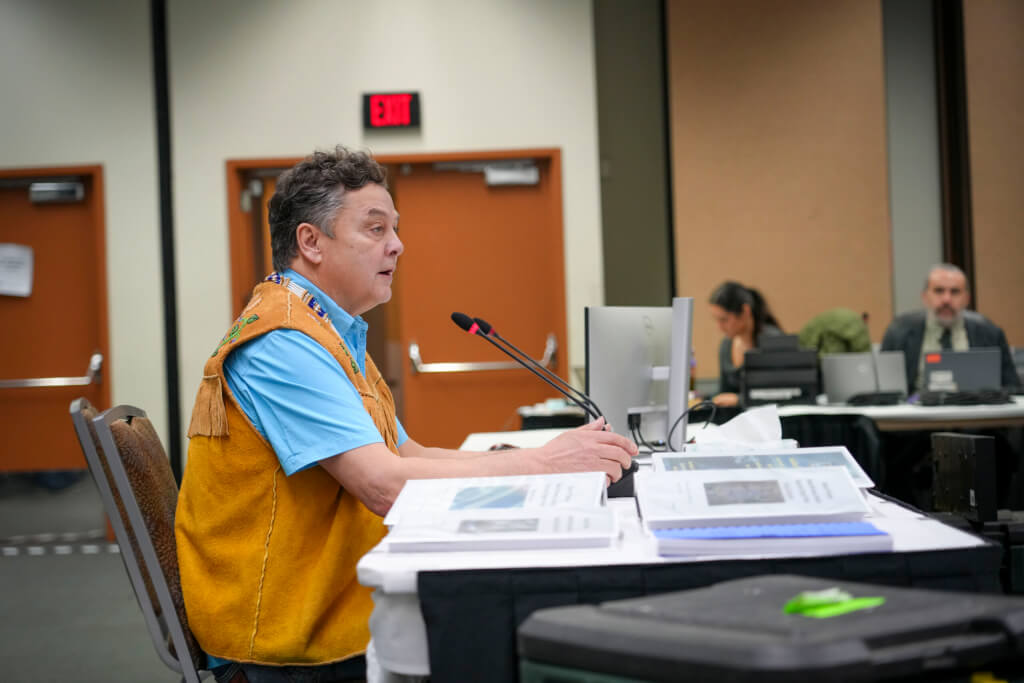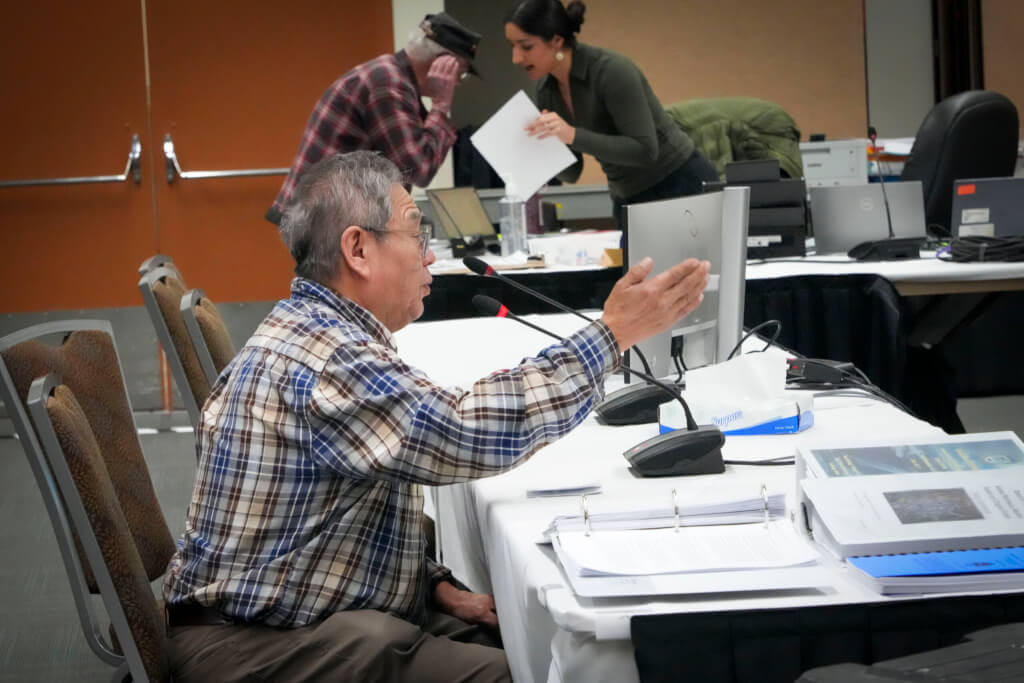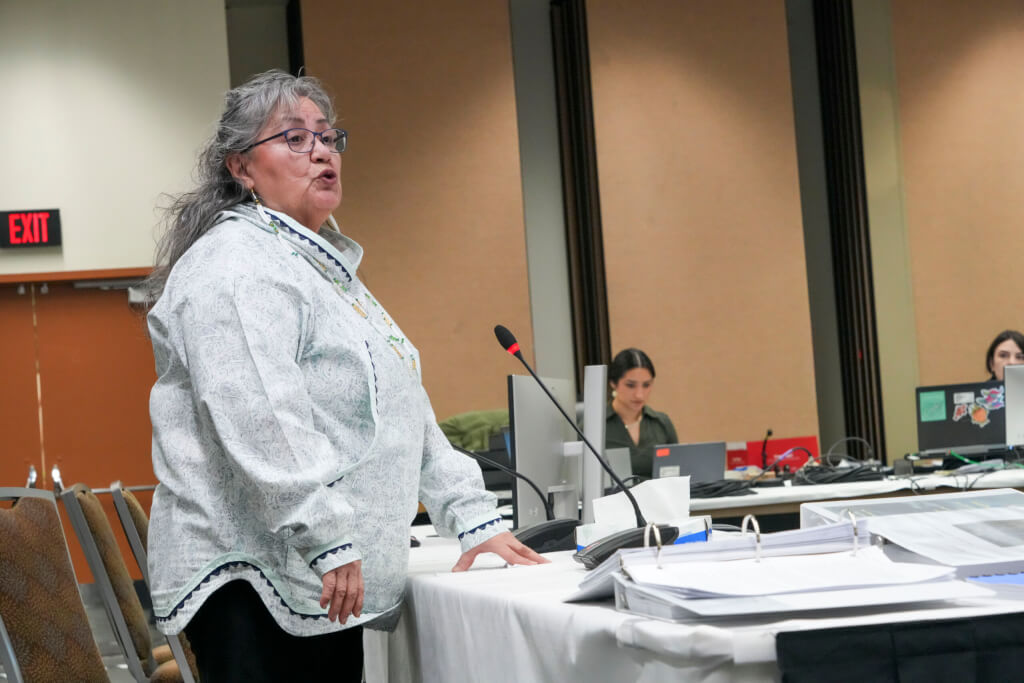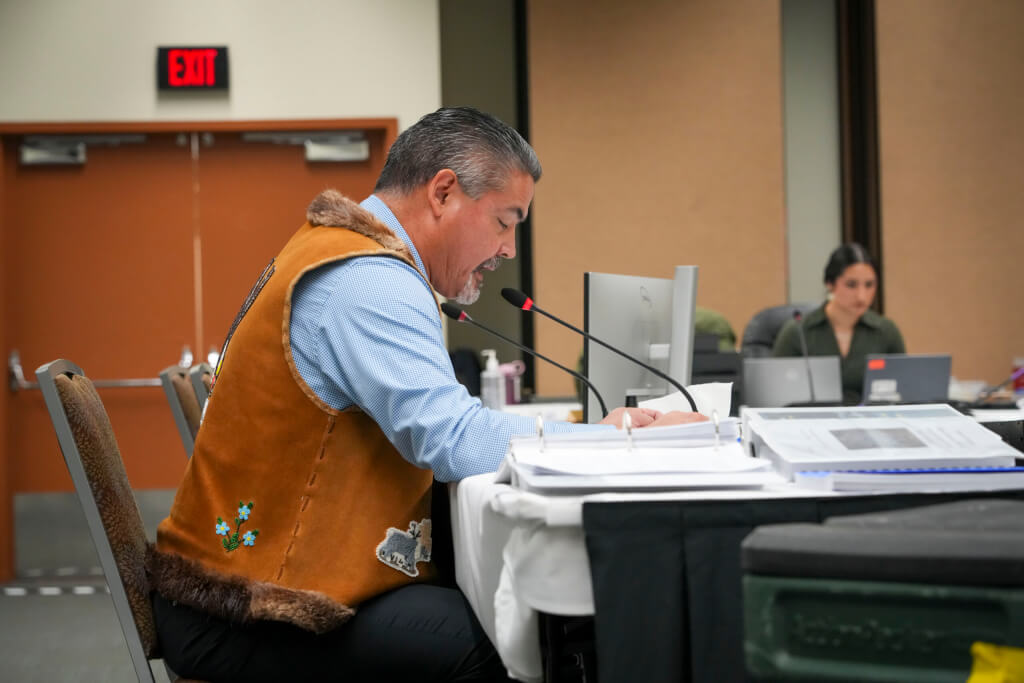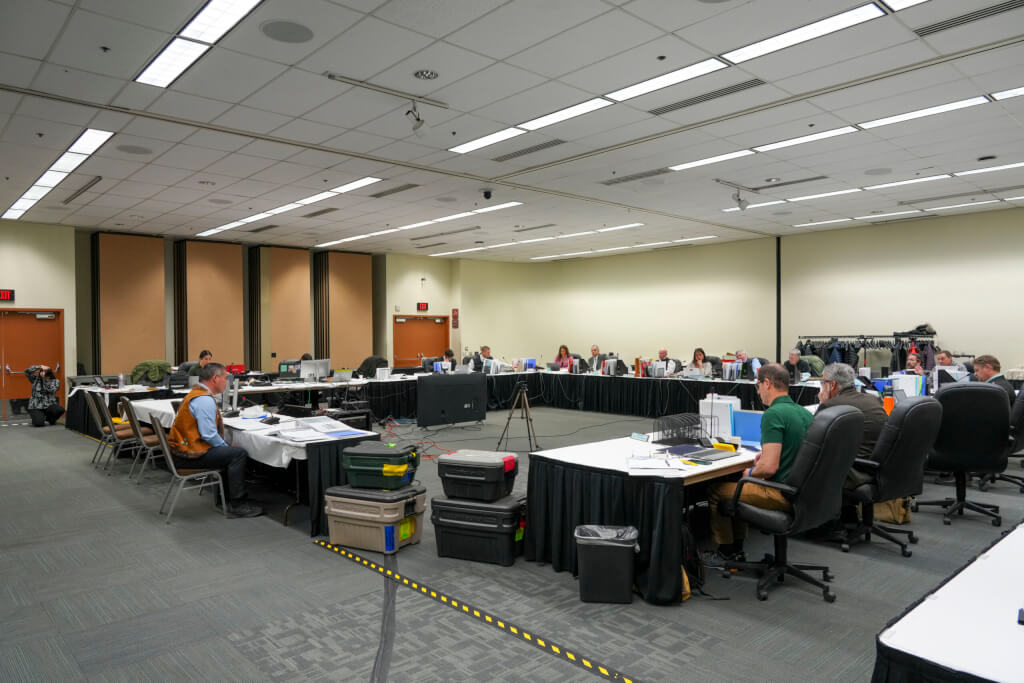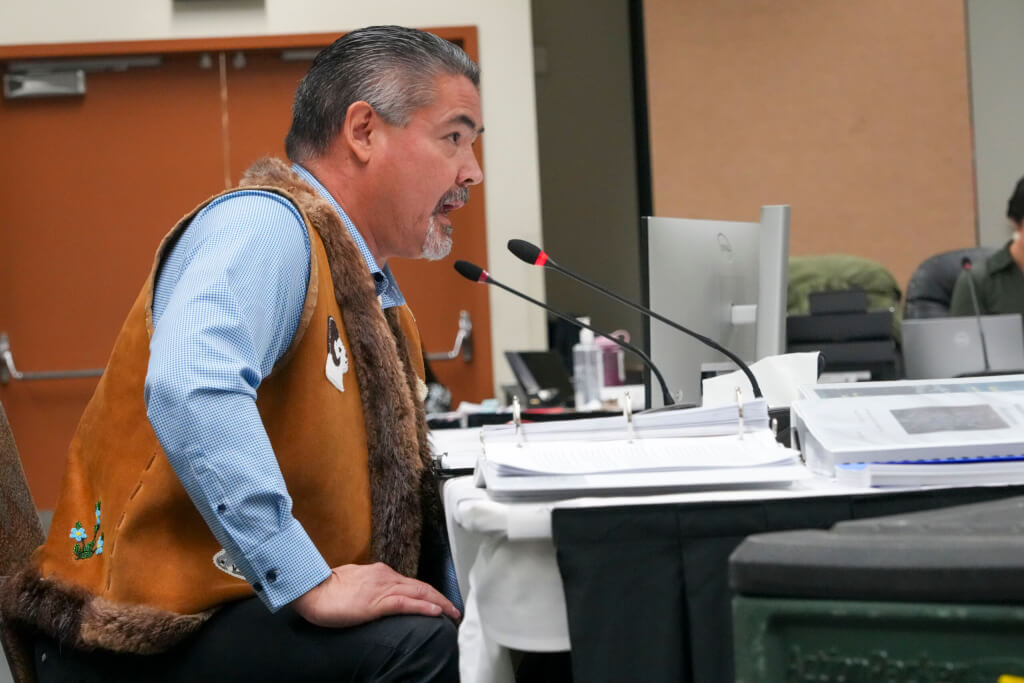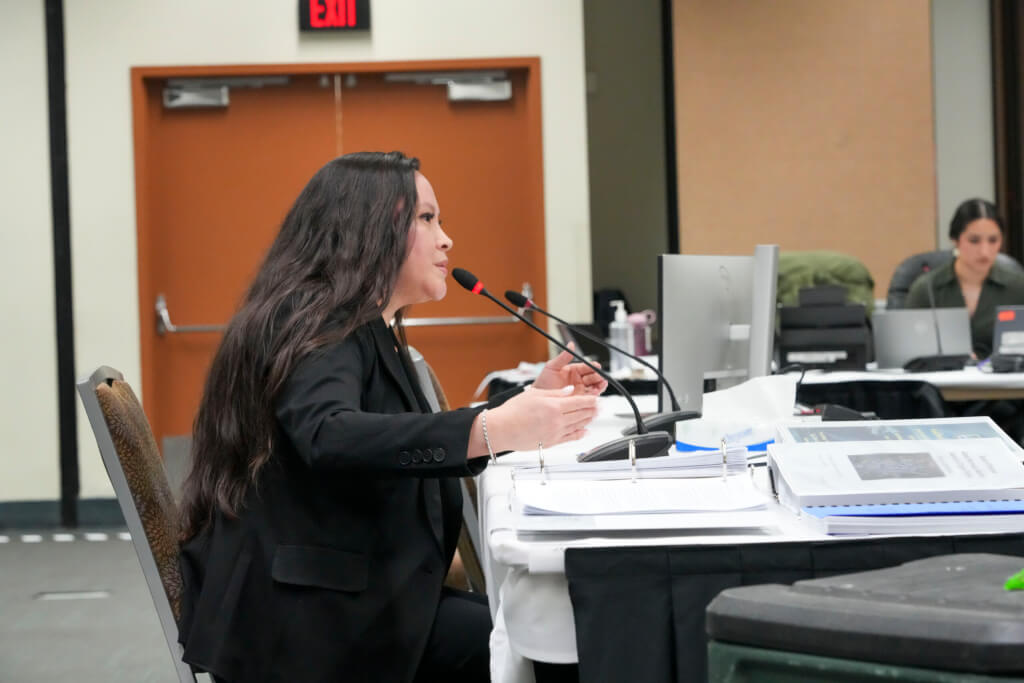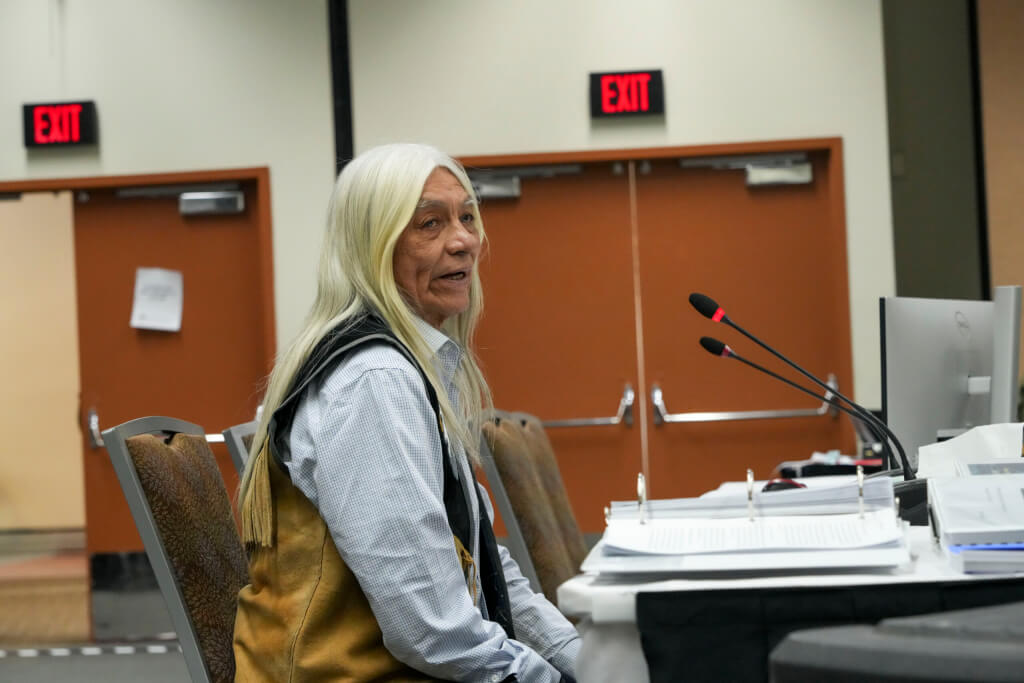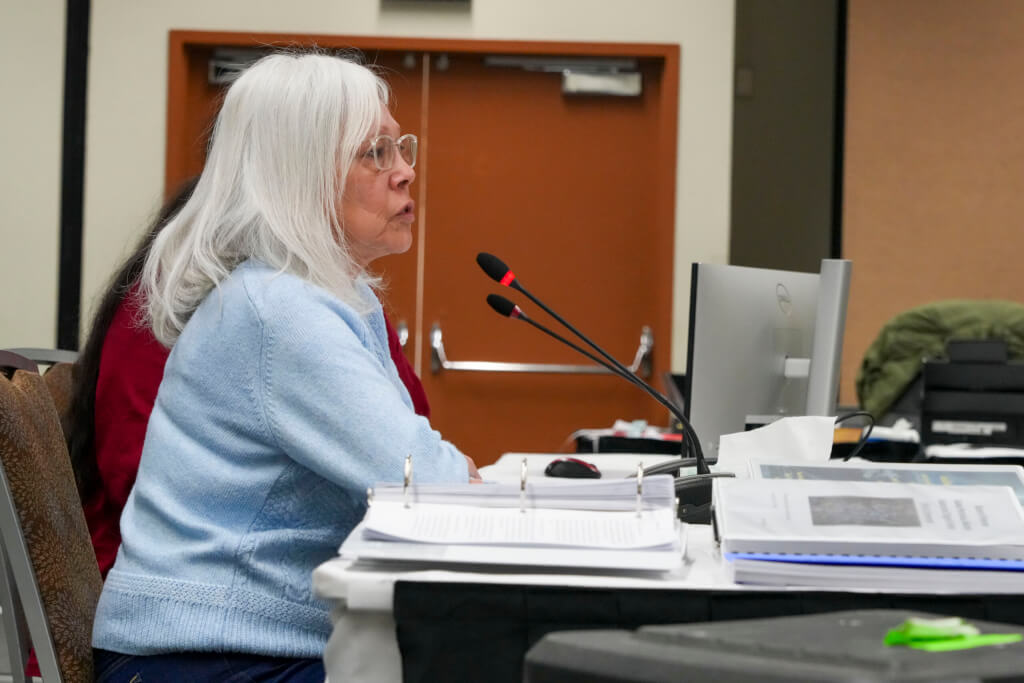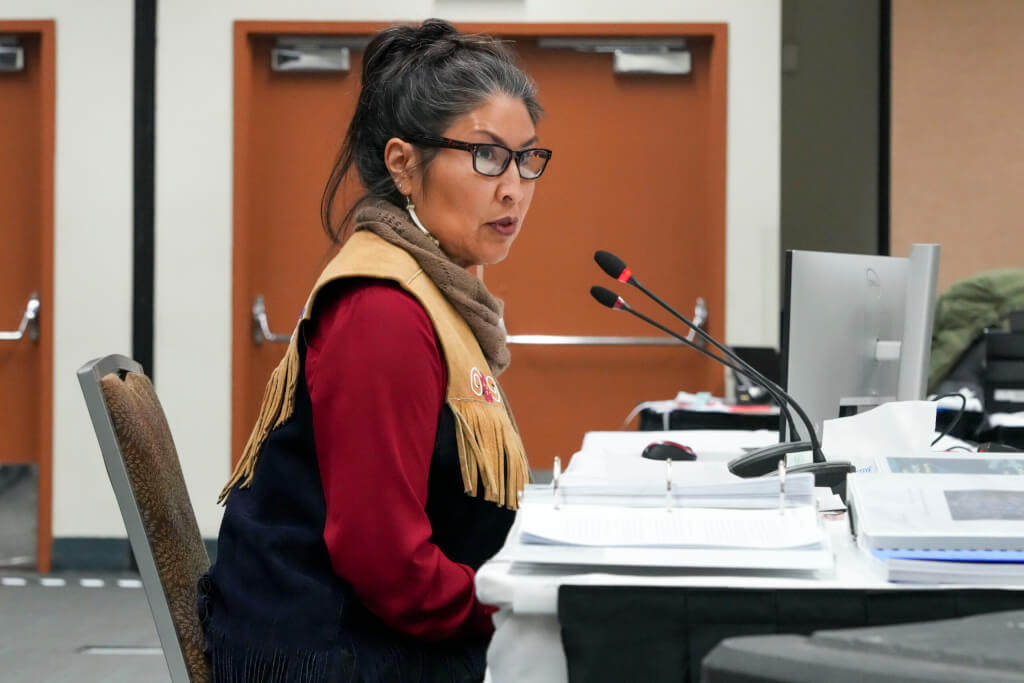
 Today, the Alaska Board of Fisheries concluded deliberations on proposals addressing chum salmon interception in the Area M commercial fishery. The Board approved a management change reducing fishing opportunity in Area M by approximately 30 percent — a reduction of 136 hours for the drift fleet and 94 hours for the seine fleet during periods when vulnerable chum salmon stocks are present.
Tanana Chiefs Conference (TCC) recognizes this action as a meaningful step toward protecting Yukon River salmon and moving Alaska toward more balanced and equitable conservation management across the state. The Board’s decision moves management away from reliance on industry self-management during weak runs and toward precautionary conservation measures intended to protect salmon before they reach the river.
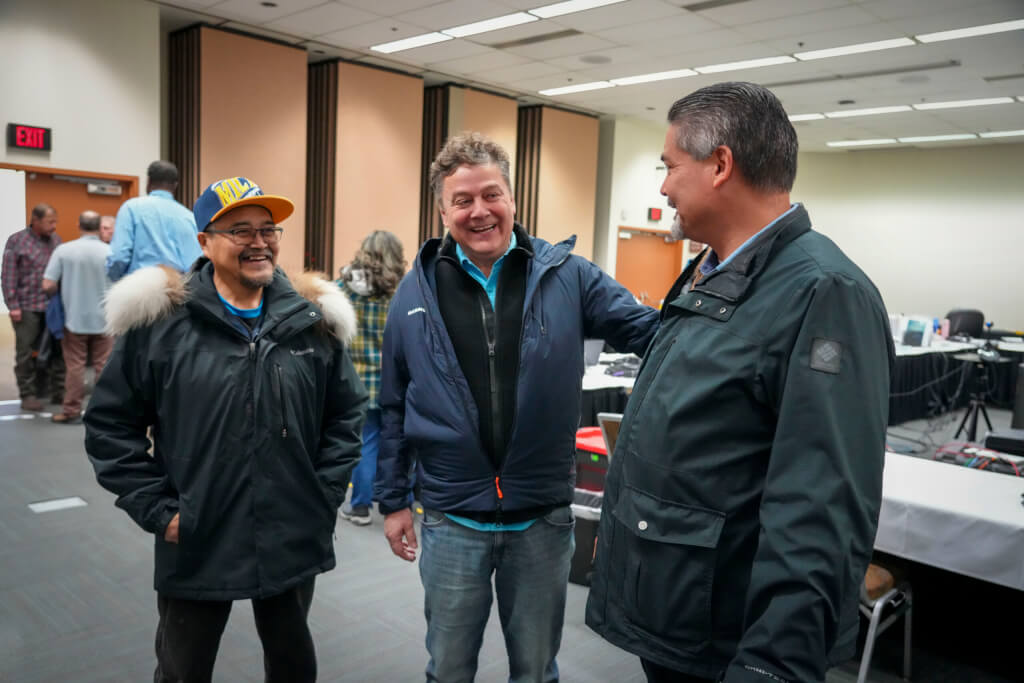
“We are grateful to the Board members who took the time to meet with us, listen, and truly seek to understand what our communities are experiencing,” said Chief/Chairman Brian Ridley, Tanana Chiefs Conference. “For several years our people have lived with empty smokehouses and uncertainty about how they will feed their families. Today’s action shows that those voices were heard, and we appreciate the Board taking meaningful steps toward protecting our salmon.”
For multiple years, Yukon River communities have faced historic fishing closures as chum salmon runs declined to critical levels. Families have gone without harvesting salmon for food, Elders have lost access to traditional nutrition, and communities have experienced increasing food insecurity.
“Yukon River families have already carried the burden of conservation,” Ridley said. “Our fishermen stopped fishing, our Elders went without, and our communities made real sacrifices to protect these salmon. This decision recognizes that conservation must be shared across all users if we want salmon to return to the river.”
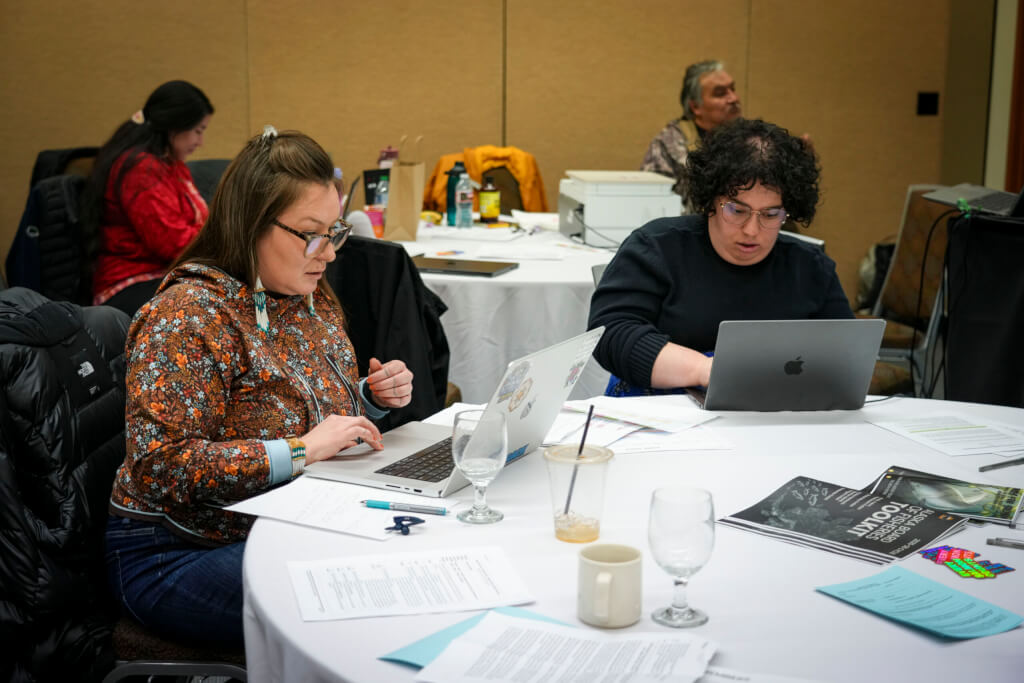
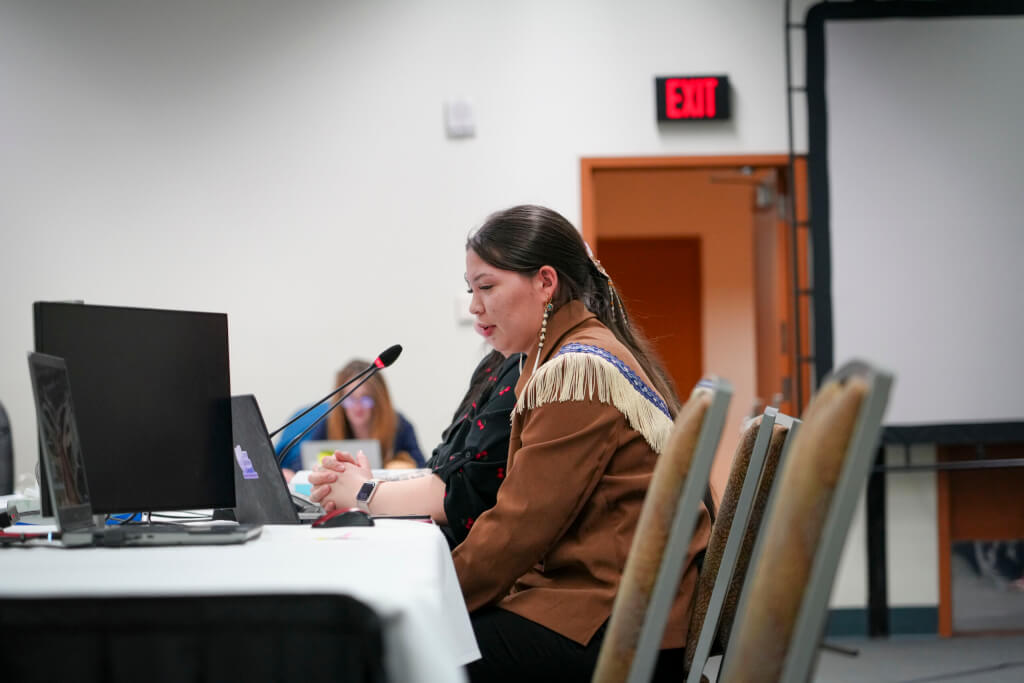
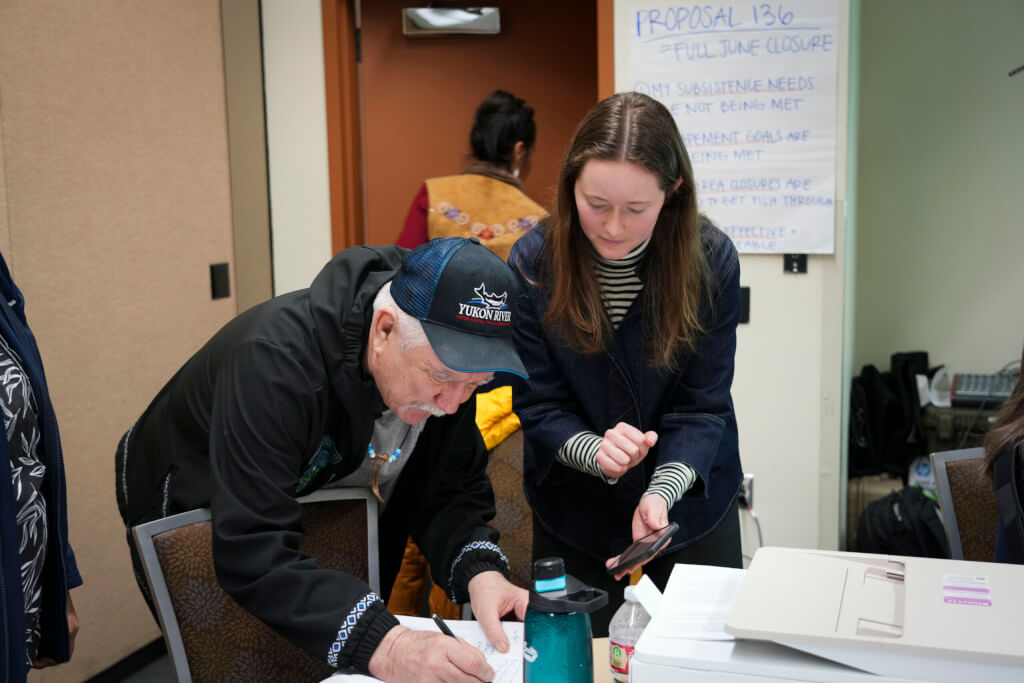
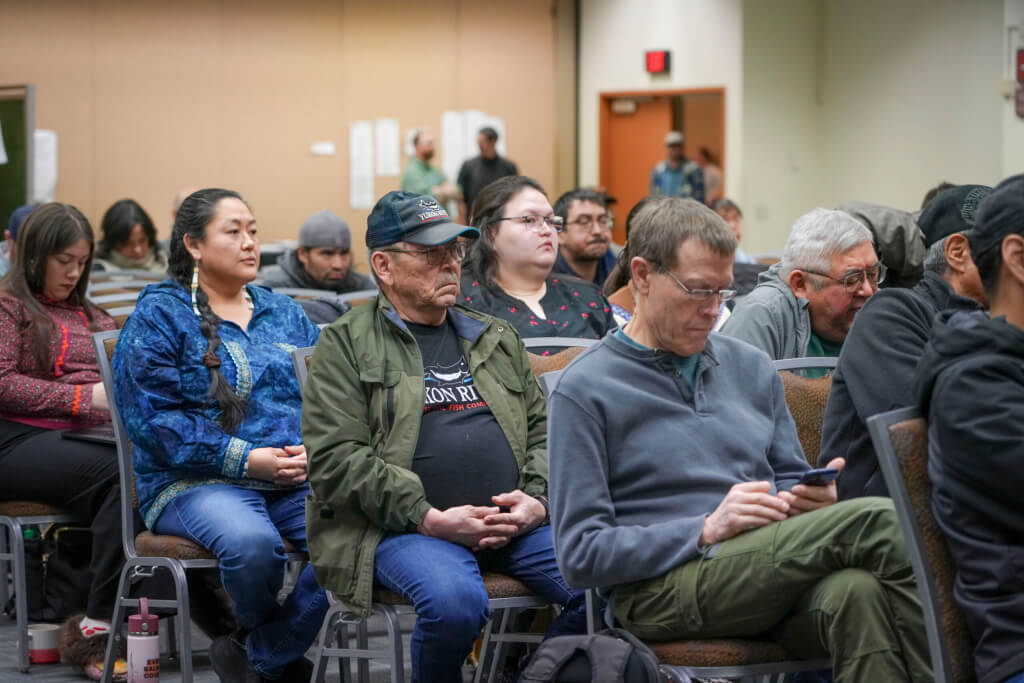
TCC also extends deep appreciation to the many Tribal leaders, fishermen, Elders, youth, and advocates who traveled, testified, wrote comments, and spoke on behalf of their families and communities throughout this process.
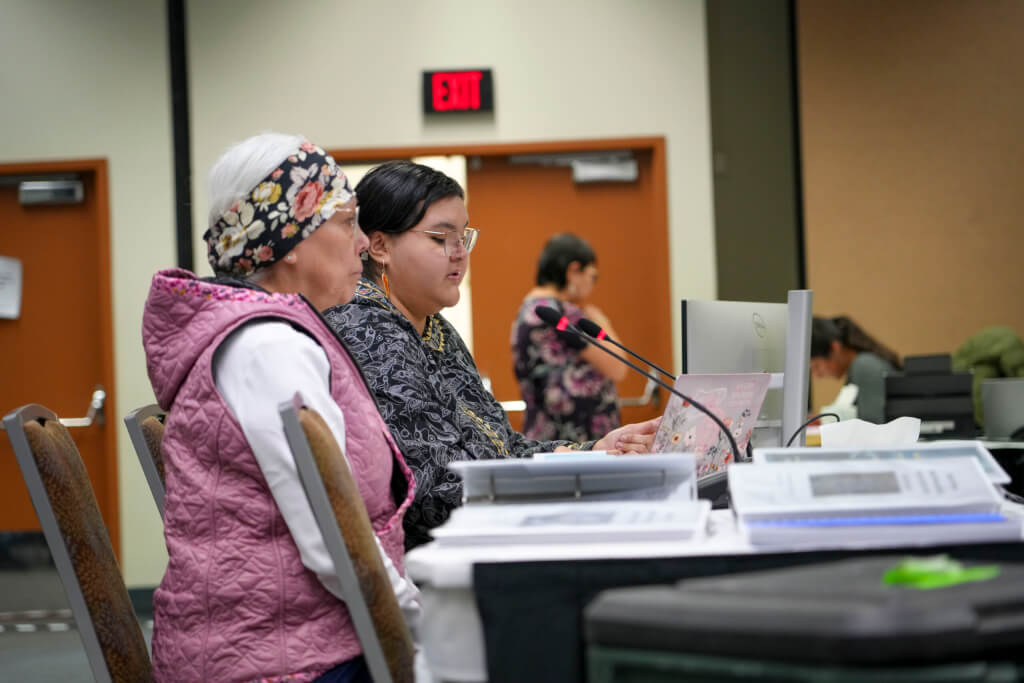
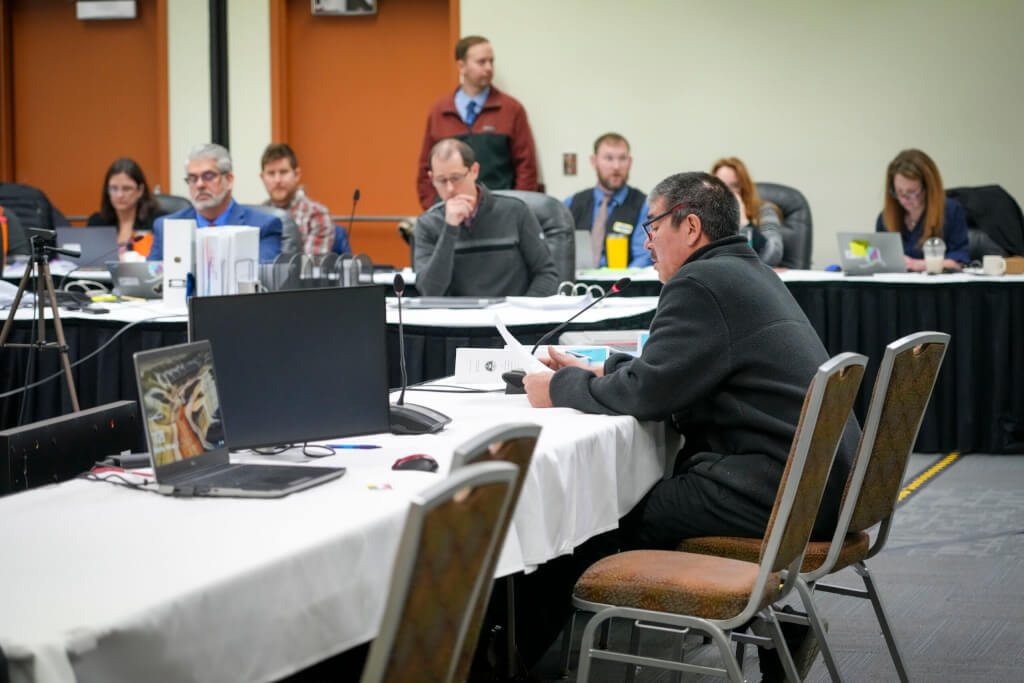
TCC thanks the members of the Alaska Board of Fisheries for listening to extensive testimony from Tribal leaders, subsistence users, and community members across the TCC region, and for acknowledging their responsibility to prioritize subsistence uses during times of conservation concern.
“This action will not resolve the crisis overnight, but it represents an important step in the right direction,” Ridley added. “We appreciate the Board’s meaningful action and its adherence to upholding the subsistence priority under state law. This decision is an investment in the long-term health of our salmon populations so our children and grandchildren can participate in subsistence one day. We look forward to continuing this work together so Alaska can manage these fisheries in a manner that is fair, responsible, and protective of the people who depend on them most.”
Salmon remain a primary traditional food source for Interior Alaska Native communities and are deeply tied to culture, health, and the transfer of knowledge between generations. While TCC acknowledges this decision alone will not immediately rebuild the runs, it represents real progress toward rebuilding Yukon River salmon.
TCC will continue working with Tribes, state and federal partners, and other Alaska Native organizations to monitor implementation and pursue additional conservation measures needed to restore Yukon River salmon.